Jump to a section
- 1. What exactly are “invisible braces” for teens?
- 2. Is my teen actually a good candidate?
- 3. How is “teen” Invisalign different from the adult version?
- 4. Will invisible braces slow my teen down at school or sports?
- 5. How long does treatment usually take, and how often are appointments?
- 6. What does it cost, and how do we handle insurance?
- 7. What happens after the last aligner?
- Ready to talk it through?
- Frequently asked questions
When your teen comes home asking about straighter teeth, the conversation quickly turns practical. Will they stick with it? What about sports and band? How much time do we lose to appointments between school, work, and beach traffic on PCH? In our Huntington Beach practice, parents tend to ask the same handful of questions about invisible braces for teens before they book a consult. Here are the seven that come up most, answered clearly so you can make a confident decision for your family.
1. What exactly are “invisible braces” for teens?
Invisible braces are clear plastic aligners that gradually move teeth into position. Instead of metal brackets and wires bonded to the front of each tooth, your teen wears a series of custom trays that look like thin, transparent retainers. Each tray shifts the teeth a small amount, and they’re swapped for the next set every one to two weeks based on the treatment plan.
Invisalign is the most widely recognized clear aligner system, and there’s a version designed specifically with teens in mind. You can read more about how the system works on our Invisalign for teens page, and our broader ultimate guide to Invisalign walks through the mechanics in more depth.
2. Is my teen actually a good candidate?
Candidacy depends on the bite, the type of movement needed, and — honestly — the teen’s willingness to wear the aligners consistently. Clear aligners can address many common issues:
- Crowding and mild-to-moderate spacing
- Certain crossbite, overbite and underbite patterns
- Relapse after previous orthodontic work
More complex bite corrections, teeth that need significant rotation, or cases where jaw growth is still very active may be better served by traditional braces or a combination approach. The only way to know for sure is a clinical evaluation with digital imaging so the dentist can review the teeth, roots and bite together with you and your teen.
3. How is “teen” Invisalign different from the adult version?

The aligners themselves are similar in look and feel, but treatment planning for a growing mouth includes a few teen-specific considerations:
- Eruption tabs — small spaces built into the trays so molars that haven’t fully come in can continue to erupt into position.
- Compliance indicators — blue dots on the aligners that fade with wear, giving both the teen and the parent an honest signal about wear time.
- Replacement aligners — teen plans typically account for the reality that trays get lost in lunchboxes, gym bags and, occasionally, napkins at Pacific City.
These are small design choices, but they matter when you’re a parent trying to keep treatment on track without becoming the daily aligner police.
4. Will invisible braces slow my teen down at school or sports?
Most families find aligners fit into a busy schedule more easily than they expected. Because there are no brackets or wires, there’s less irritation from contact sports, no emergency “poking wire” visits, and no special food restrictions — trays come out for meals and go back in after brushing. For wind instruments and vocal performance, the smooth aligners are usually easier to adapt to than fixed braces.
The tradeoff is discipline. Aligners need to be worn about 20–22 hours per day to track as planned. Teens who take them out for lunch, an after-school snack, a smoothie and then dinner can quickly slip below that threshold. If your teen is up for the responsibility, the lifestyle fit is one of the biggest wins.
5. How long does treatment usually take, and how often are appointments?

Treatment length varies with the complexity of the case. Mild alignment cases can wrap up in several months, while comprehensive cases can run over a year or more — comparable to traditional braces for similar issues. Your dentist will give you an estimated range after reviewing scans, not a guaranteed date.
Check-in visits are typically shorter and less frequent than adjustments for metal braces. A common cadence looks like:
| Visit | Purpose | Typical length |
|---|---|---|
| Consultation | Exam, scans, discuss options | 45–60 min |
| Delivery | Fit first aligners, review care | 30–45 min |
| Progress checks | Confirm tracking, hand off next trays | 15–30 min |
| Retention | Fit retainers after active treatment | 30 min |
For families juggling school pickup in Fountain Valley or a commute from Newport Beach, fewer and shorter appointments is a meaningful benefit.
6. What does it cost, and how do we handle insurance?
Clear aligner treatment for teens generally lands in a similar range to comprehensive traditional braces, with the exact number depending on complexity and length of treatment. Because we don’t post pricing without an exam, the honest answer is: we’ll quote your teen’s case after we see the scans, and we’ll walk through every line item with you.
A few things worth asking about at the consult:
- Whether your dental or orthodontic plan includes an orthodontia benefit and lifetime maximum
- Flexible spending or health savings account eligibility
- In-house payment plans and what’s included (retainers, refinements, replacement trays)
For a broader look at how orthodontic pricing is structured, our post on what an orthodontist actually charges for invisible braces breaks the components down. If you’re weighing systems, ClearCorrect vs. Invisalign explains how we choose between them clinically.
7. What happens after the last aligner?
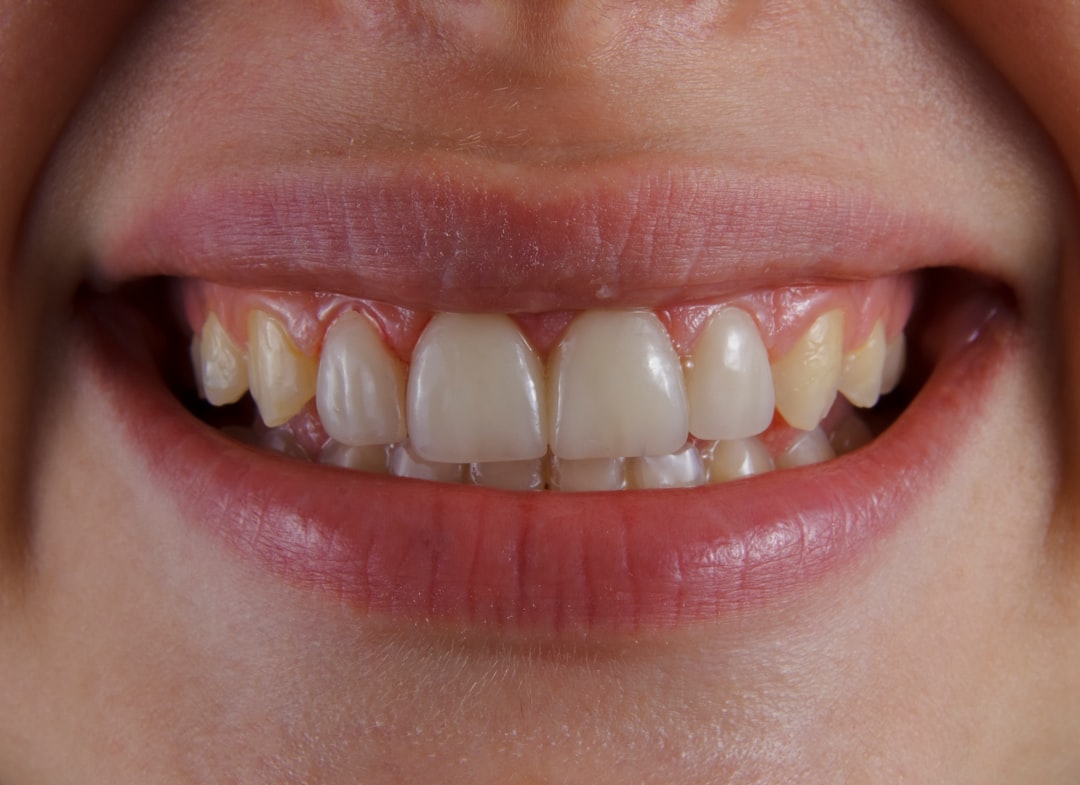
Straightening the teeth is only part of the job — keeping them there is the other. After active treatment, your teen moves into retention, which typically means wearing retainers full-time for a period and then nightly long-term. Teeth naturally want to drift, especially in the first year, and skipping retainers is the most common reason a family ends up back in treatment later.
We’ll review a retention plan tailored to your teen’s case, including what to do if a retainer is lost or damaged. If cosmetic touch-ups like whitening come up after braces are off, that’s a conversation for another visit — we don’t recommend layering treatments without checking that the enamel and gums are ready.
Ready to talk it through?
Every teen’s mouth — and schedule — is different, so the best next step is a conversation, not a quiz online. If you’d like a straightforward evaluation with digital scans and a clear treatment estimate, contact our Huntington Beach office to schedule a consultation. We’ll answer your questions, show your teen what their treatment would actually involve, and let you decide from there.
Photos by Vitaly Gariev, Anastasia Vityukova, Vitaly Gariev, Ozkan Guner on Unsplash.
Frequently asked questions
What age can a teen start invisible braces?
Most teens are candidates once enough permanent teeth have erupted, often around ages 12–14, but the right timing depends on jaw development and the specific bite issues. A clinical evaluation with imaging is the only reliable way to determine readiness.
Do invisible braces hurt?
Teens commonly feel pressure or tenderness for a day or two after switching to a new aligner as the teeth begin to move. It’s usually milder than adjustments with metal braces, but comfort varies from person to person and case to case.
What if my teen loses an aligner?
Contact the office right away. Depending on where your teen is in the current tray, we may advise moving to the next set early, wearing the previous tray, or ordering a replacement. Teen treatment plans typically account for a limited number of replacements.
Can invisible braces fix an overbite or crossbite?
Many overbite and crossbite cases can be treated with clear aligners, sometimes with the help of small tooth-colored attachments or elastics. More complex skeletal bite issues may require traditional braces or a combined approach, which we’ll discuss after evaluating your teen.
Will my teen need a retainer forever?
Long-term nightly retainer wear is the most reliable way to keep teeth from shifting after treatment. Retention protocols vary, but planning for ongoing nighttime wear — and replacing retainers as they wear out — is part of protecting the investment. Learn more about our approach on our cosmetic dentistry page.
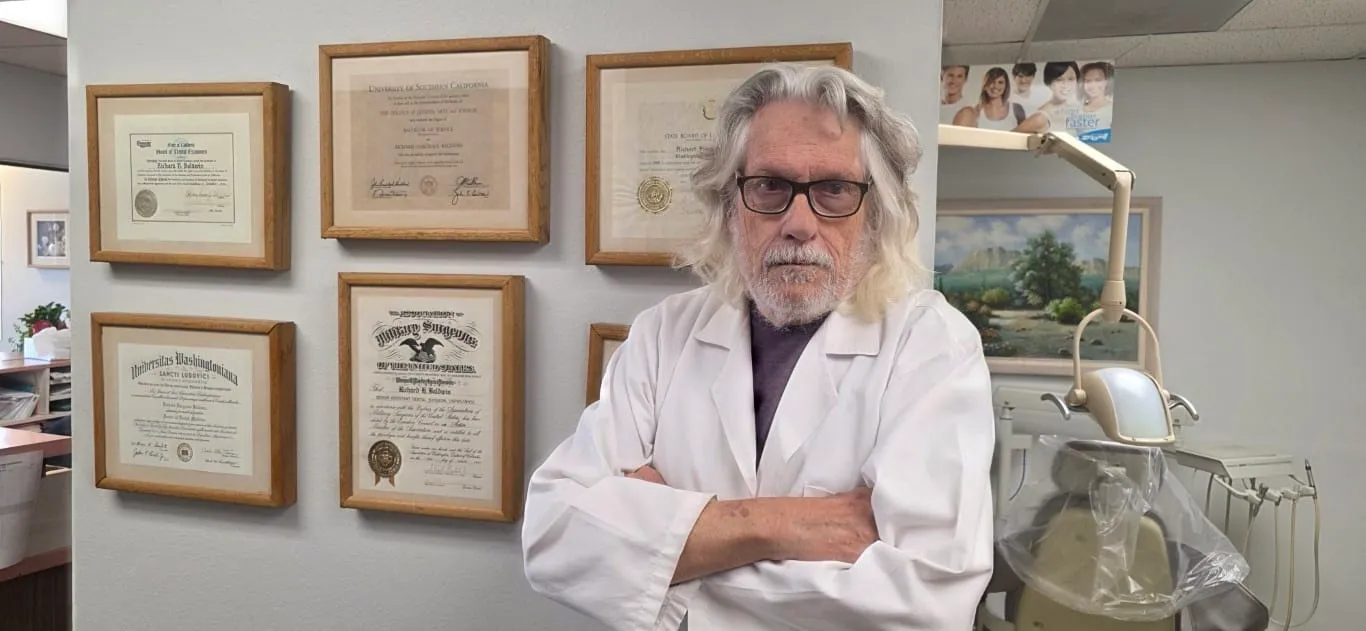
Written and clinically reviewed by Dr. Richard Baldwin, DMD General & cosmetic dentist in Huntington Beach since 1979 · Washington University School of Dental Medicine · Updated
Sources & further reading
- Braces and clear aligners — American Dental Association · MouthHealthy
- Orthodontic treatment for teens — American Association of Orthodontists
This guide is general dental information from a practicing dentist, not a diagnosis. Treatment recommendations and costs are confirmed at an in-person exam.