Jump to a section
- What Invisalign Teen and standard Invisalign actually are
- The key clinical differences
- Why eruption tabs matter for younger teens
- When a teenager might get standard Invisalign instead
- How the consultation works at our Huntington Beach office
- Cost, insurance, and what parents should ask
- Habits that make aligner treatment succeed
- The next step for Huntington Beach families
- Frequently asked questions
When a Huntington Beach family calls about clear aligners for a 13- or 15-year-old, the first question we hear is usually, “Does my teen get Invisalign Teen or the regular version?” The two systems share the same underlying technology, but they’re built for different mouths and different life stages. Understanding the differences helps you set realistic expectations before treatment starts.
This guide breaks down how the two products differ, which situations tend to point toward each option, and what parents in Huntington Beach should ask during a consultation. Every teen is evaluated individually, so treat the guidance below as educational — final recommendations come from a clinical exam.
What Invisalign Teen and standard Invisalign actually are
Both products use a series of clear, removable aligners custom-made from digital scans of the teeth. Each aligner nudges teeth toward the planned position, and the patient switches to the next tray on a schedule set by the dentist. Aligners are worn 20–22 hours per day and removed for eating, drinking anything other than water, and brushing.
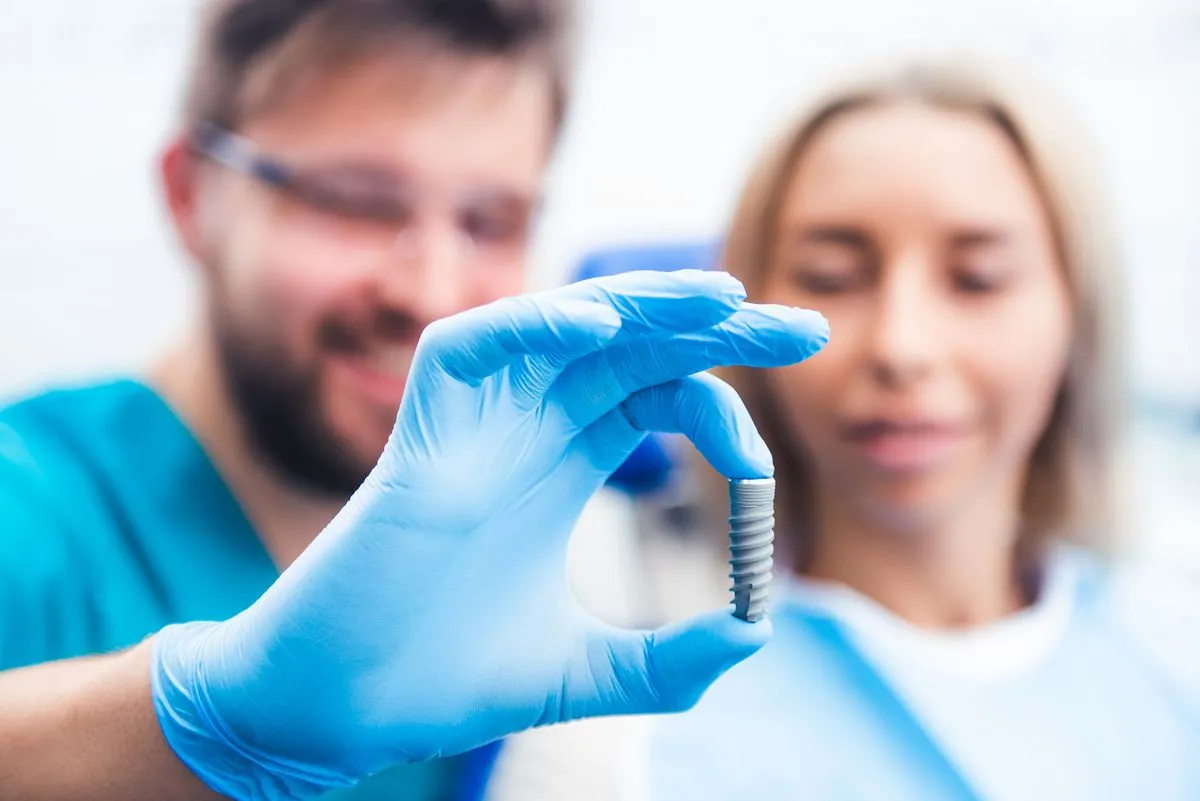
Invisalign Teen is the same core technology packaged with features designed for growing mouths and adolescent routines. Standard Invisalign is typically used for patients whose permanent teeth are fully in and whose jaw growth is largely complete. Both fall under the broader Invisalign clear aligner treatment we offer in our Huntington Beach practice.
The key clinical differences
There are a handful of features that separate the teen product from the standard one. They’re small on paper but meaningful in real life.
| Feature | Invisalign Teen | Standard Invisalign |
|---|---|---|
| Compliance indicators | Blue dots that fade with wear | Not included |
| Eruption tabs | Built-in space for teeth still coming in | Not included |
| Replacement aligners | Extra trays typically included in case of loss | Usually charged per replacement |
| Ideal candidate | Growing patient with mixed or newly permanent dentition | Adults or teens with fully erupted teeth |
| Case complexity | Common alignment, crowding, spacing, mild bite issues | Full range from simple to complex |
The compliance indicators are the feature parents ask about most. Small blue dots on the aligner slowly fade when worn consistently, giving both the teen and the dentist a visual check on wear time without turning every dinner into an interrogation.
Why eruption tabs matter for younger teens
Many 12- to 14-year-olds still have second molars or canines that haven’t fully erupted. Standard aligners cover only teeth that are already in place, which can leave the tray without a place to sit as new teeth come in. Invisalign Teen includes eruption compensators — small pockets in the tray that reserve space for teeth still emerging.
This matters because it prevents the treatment plan from stalling every time a new tooth pushes through. For families who don’t want to wait until every permanent tooth is in before starting, the teen product is usually the more practical option.
When a teenager might get standard Invisalign instead
Not every adolescent needs the teen-specific version. A 16- or 17-year-old whose permanent teeth are fully erupted, whose jaw growth is nearly complete, and who has a simpler alignment case may be a good candidate for standard Invisalign. Older teens who are highly motivated — often those preparing for senior photos, prom, or leaving for college — sometimes prefer the adult product because it doesn’t include the eruption tabs they no longer need.
The decision comes down to a clinical exam, digital scans, and a conversation about the teen’s habits and schedule. Parents of older adolescents may find our overview on Invisalign for adults useful as a comparison point, since treatment for a mature 17-year-old often looks similar.
How the consultation works at our Huntington Beach office
A first visit for Invisalign Teen in Huntington Beach usually includes:
- A conversation about the teen’s concerns — appearance, function, or both.
- A clinical exam to check tooth eruption status, bite, and oral hygiene readiness.
- Digital 3D scans instead of traditional impressions.
- A discussion of whether Invisalign Teen, standard Invisalign, or a different approach (including traditional braces) fits best.
- A written estimate covering treatment length, retainers, and any lab fees.
Compliance is a real factor at this age. If a teen isn’t ready to wear trays 20–22 hours per day, aligners may not be the right tool yet. That’s an honest conversation we’d rather have upfront than six months in.
Cost, insurance, and what parents should ask
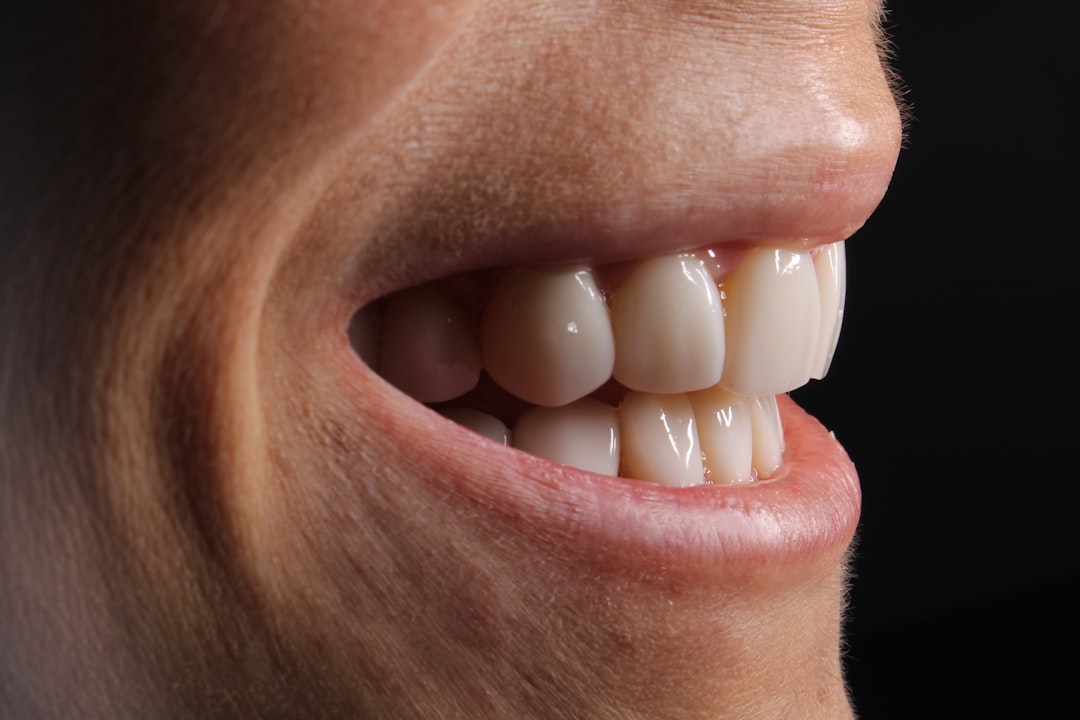
Pricing varies by case complexity, treatment length, and whether refinements or replacement aligners are needed. Invisalign Teen and standard Invisalign are generally priced in a similar range, though the included replacement trays can help offset the very real risk of a lost aligner tucked into a school lunch napkin.
Orthodontic benefits — separate from general dental coverage — often apply to both products. For a deeper breakdown of local pricing considerations, our post on Invisalign cost in Huntington Beach walks through the components families typically see on an estimate.
Good questions to bring to your consultation:
- Is my teen’s dentition ready, or should we wait a few months?
- How many aligners are projected, and how often are check-ins?
- What happens if a tray is lost or broken?
- Are retainers included after active treatment?
- What’s the plan if compliance slips?
Habits that make aligner treatment succeed
Regardless of which product is prescribed, the same daily habits determine results:
- Wear time. 20–22 hours per day, every day. This is the single biggest predictor of on-schedule progress.
- Cleaning. Brush after meals before reinserting trays; rinse aligners with cool water.
- Storage. Use the case. Napkins are where aligners go to die.
- Attachments. Small tooth-colored bumps may be bonded to teeth to help aligners grip. They stay on throughout treatment.
- Follow-ups. Short check-ins every 6–10 weeks let us catch issues early.
For a broader look at how clear aligner treatment progresses from start to retainers, our ultimate guide to Invisalign covers the full arc for readers who want more depth.
The next step for Huntington Beach families
The short version: most younger teens with erupting teeth benefit from Invisalign Teen’s eruption tabs and compliance indicators, while older teens with a mature dentition may be candidates for standard Invisalign. A clinical exam confirms which product — if either — is appropriate. If you’d like to schedule a consultation with Dr. Baldwin’s team, you can reach us through our contact page and we’ll walk you through timing, scans, and a written estimate before any decisions are made.
Photos by Angels for Humanity, Navy Medicine, Sarahí Rivera on Unsplash.
Frequently asked questions
At what age can my child start Invisalign Teen?
Invisalign Teen is typically considered once most permanent teeth have erupted, often around age 12–14, though this varies. A clinical exam and digital scans determine whether a specific patient’s dentition is ready. Younger children with mostly baby teeth are usually not candidates.
How is Invisalign Teen different from standard Invisalign?
Invisalign Teen uses the same aligner technology but adds eruption tabs to accommodate teeth still coming in, blue compliance indicators that fade with wear, and typically includes replacement aligners in case one is lost. Standard Invisalign is generally used for patients with fully erupted teeth.
What happens if my teen loses an aligner?
Invisalign Teen packages typically include several replacement aligners at no additional charge. Contact the dentist promptly — depending on where you are in the tray sequence, we may have you move to the next aligner, revert to the previous one, or order a replacement to keep treatment on track.
How long does Invisalign Teen treatment take?
Treatment length depends on case complexity and wear-time consistency. Many teen cases fall in the 12–18 month range, but simple alignment issues can be shorter and complex bite corrections longer. Your dentist will provide a personalized estimate after evaluation.
Will my teen need retainers after Invisalign?
Yes. Retainers are required after any orthodontic treatment to prevent teeth from shifting back. Options and wear schedules are discussed toward the end of active treatment, and long-term nighttime retainer wear is typically recommended.
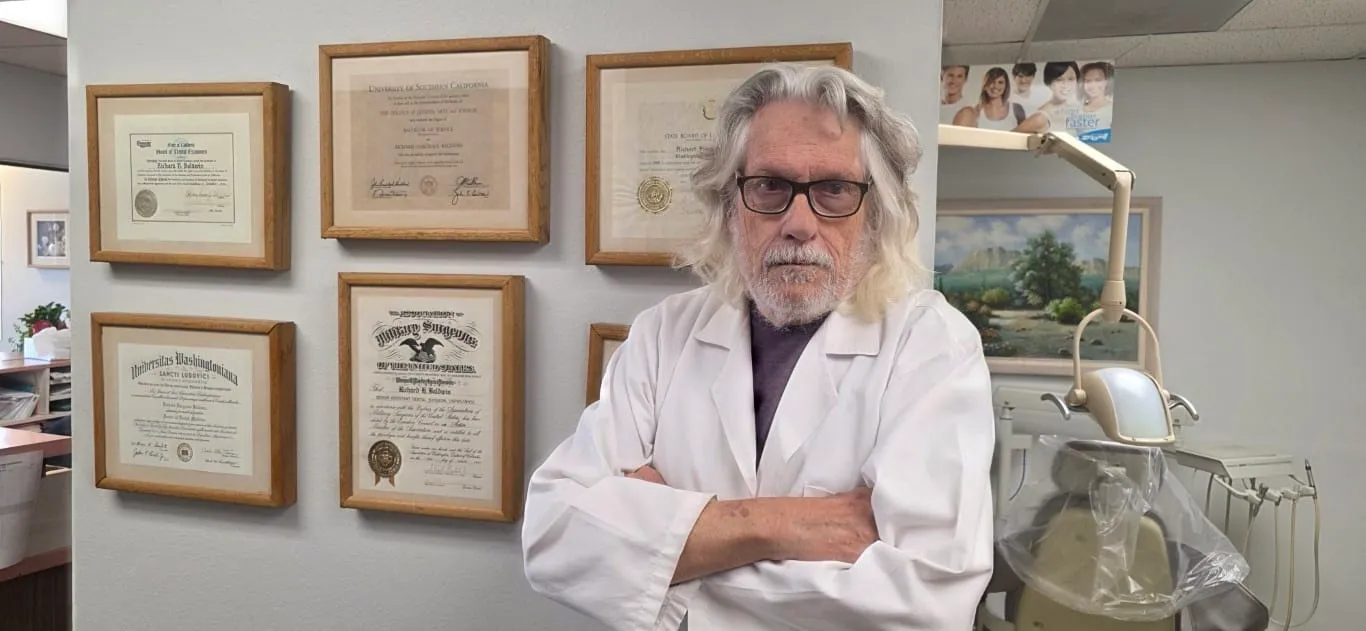
Written and clinically reviewed by Dr. Richard Baldwin, DMD General & cosmetic dentist in Huntington Beach since 1979 · Washington University School of Dental Medicine · Updated
Sources & further reading
- Braces and clear aligners — American Dental Association · MouthHealthy
- Orthodontic treatment for teens — American Association of Orthodontists
This guide is general dental information from a practicing dentist, not a diagnosis. Treatment recommendations and costs are confirmed at an in-person exam.