Jump to a section
- What “Invisible Braces” Actually Means
- The Real Factors That Drive the Price
- Typical Cost Ranges (and Why We Won’t Give You One Number)
- Dentist vs. Orthodontist vs. Mail-Order: What You’re Paying For
- How Insurance, HSAs, and Payment Plans Change the Number
- Questions to Ask Before You Sign a Treatment Plan
- Is It Worth It? A Realistic Way to Decide
- Frequently asked questions
If you’ve been researching clear aligners, you’ve probably noticed that pricing feels frustratingly vague. Ask five providers what an orthodontist charges for invisible braces and you may get five different answers — sometimes even for the same case. That’s because “invisible braces” isn’t a single product, and the fee reflects the complexity of your bite, the brand of aligner, the length of treatment, and what’s included after the trays come off.
This guide breaks down what actually drives orthodontist invisible braces cost, how to read a treatment quote, and the questions to ask before you commit. It’s educational, not a price list — every mouth is different, and a real number requires an in-person evaluation.
What “Invisible Braces” Actually Means
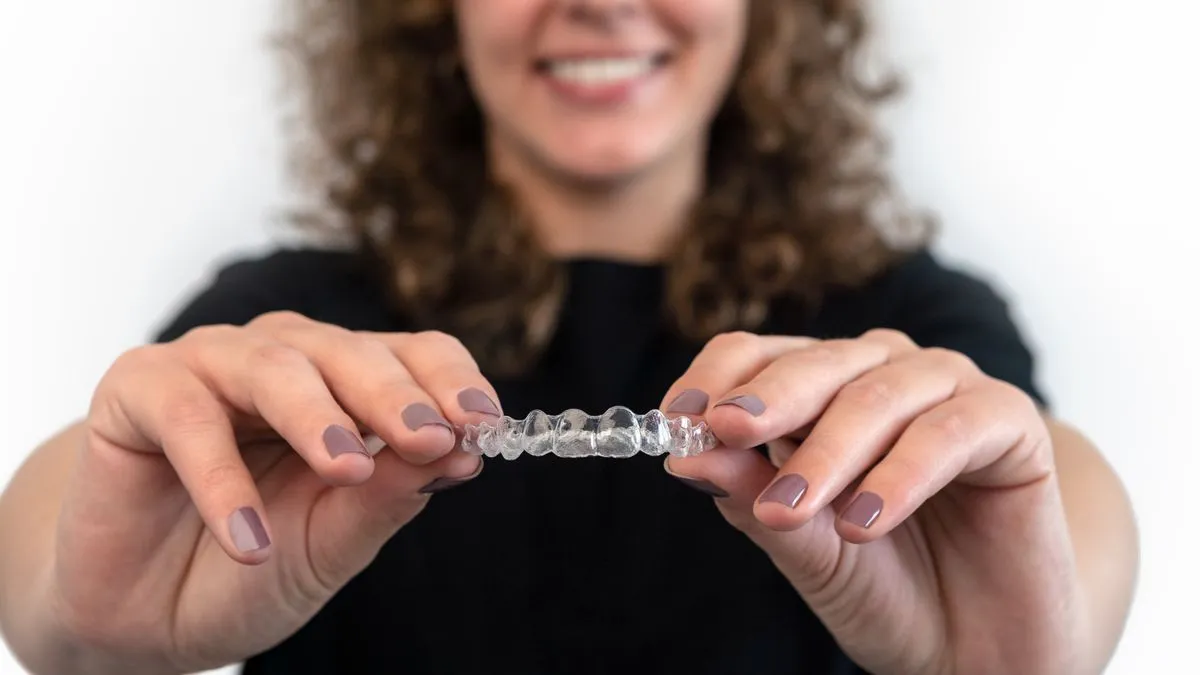
“Invisible braces” is a catch-all term that usually refers to clear plastic aligners — thin, removable trays that gradually shift teeth into position. The best-known brand is Invisalign, but the category also includes other doctor-directed systems and mail-order (direct-to-consumer) aligners.
A few quick definitions:
- Clear aligners: custom trays worn 20–22 hours per day, swapped out on a schedule set by your provider.
- Lingual braces: metal brackets bonded to the back of the teeth. Also “invisible” from the front, but a different product with different pricing.
- Ceramic braces: tooth-colored brackets on the front — less visible than metal, but not truly invisible.
Most cost questions are really about clear aligners, so that’s the focus here. For a deeper feature comparison, see our post on Invisalign vs. traditional braces.
The Real Factors That Drive the Price
When a provider quotes a fee, they’re bundling several variables into one number. Understanding those variables helps you compare quotes apples-to-apples.
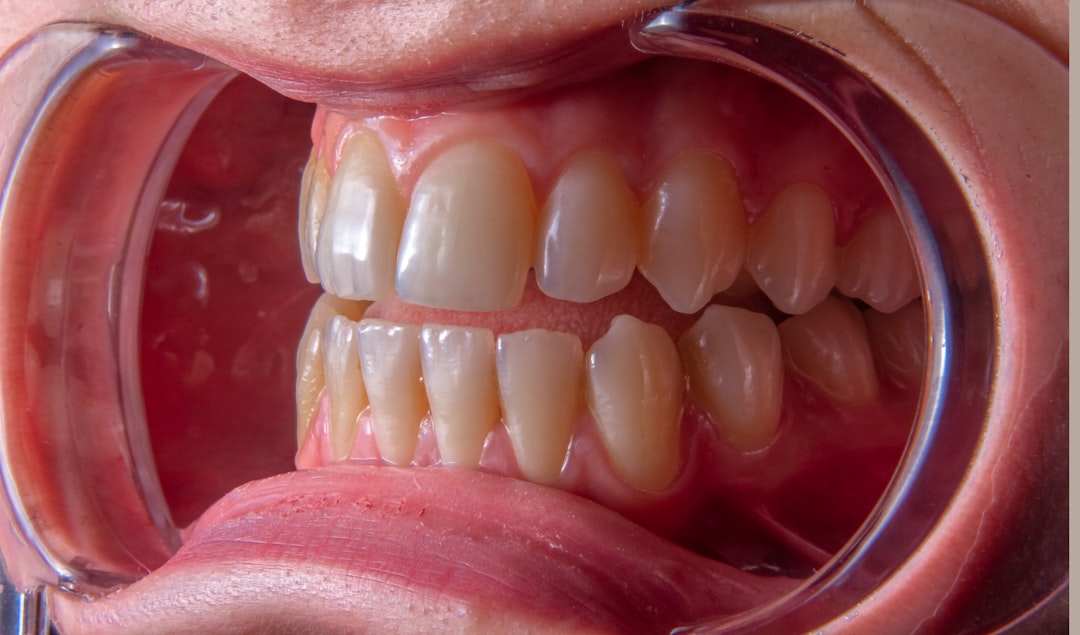
- Case complexity. Minor crowding or a small relapse after childhood braces is very different from correcting a deep bite, crossbite, or significant rotation. More complex cases require more aligners, more chair time, and sometimes auxiliaries like attachments or elastics.
- Treatment length. Some cases finish in a few months; comprehensive cases can run 18 months or more. Longer treatment generally means more trays and more check-in visits.
- Provider training and experience. A dentist or orthodontist who plans and monitors your case personally is priced differently than a mail-order kit with remote oversight.
- Brand and lab fees. Invisalign, ClearCorrect, and in-office systems each carry different lab costs that flow into your fee.
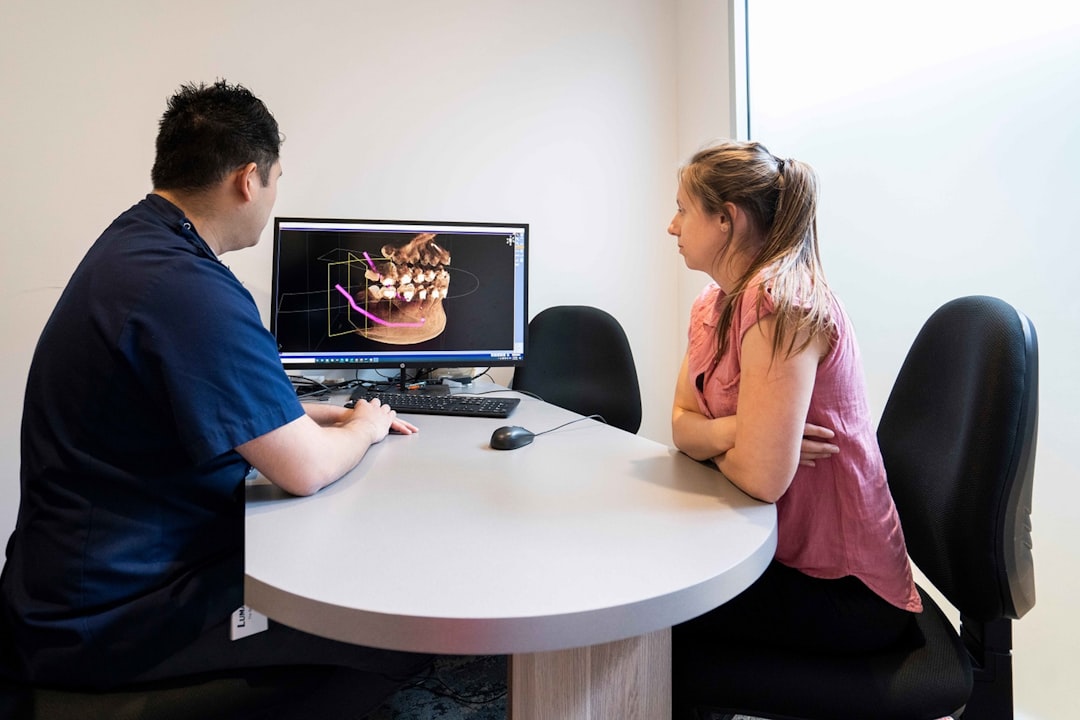
- Diagnostics and technology. Digital scans, 3D imaging, and treatment simulations are typically included in the case fee at a full-service practice.
- Retention. Once teeth are straight, retainers keep them there. Some quotes include the first set of retainers; some don’t.
If a quote seems dramatically lower than others, one of those items is usually missing — most often diagnostics, refinements, or retainers.
Typical Cost Ranges (and Why We Won’t Give You One Number)
National reporting from consumer and dental publications commonly places clear aligner treatment somewhere in the low-to-mid four figures for limited cases and higher for full comprehensive treatment. Mail-order aligners often advertise lower headline prices, but they treat a narrower range of issues and don’t include hands-on clinical oversight.
Rather than quoting a specific dollar figure that may not apply to your mouth, we’d rather explain the buckets a fair quote should cover:
- Records and diagnostics (exam, scan, photos, X-rays)
- The aligner series itself
- Attachments, IPR (light enamel contouring), or elastics if needed
- Progress visits
- Refinements — additional aligners if teeth need extra fine-tuning
- Retainers and a retention plan
When you compare providers, ask each one which of these are included and which are billed separately. That’s usually where the real price difference lives. Our Huntington Beach Invisalign cost breakdown walks through this in more local detail for that specific brand.
Dentist vs. Orthodontist vs. Mail-Order: What You’re Paying For
All three can move teeth. What differs is oversight, scope, and accountability.
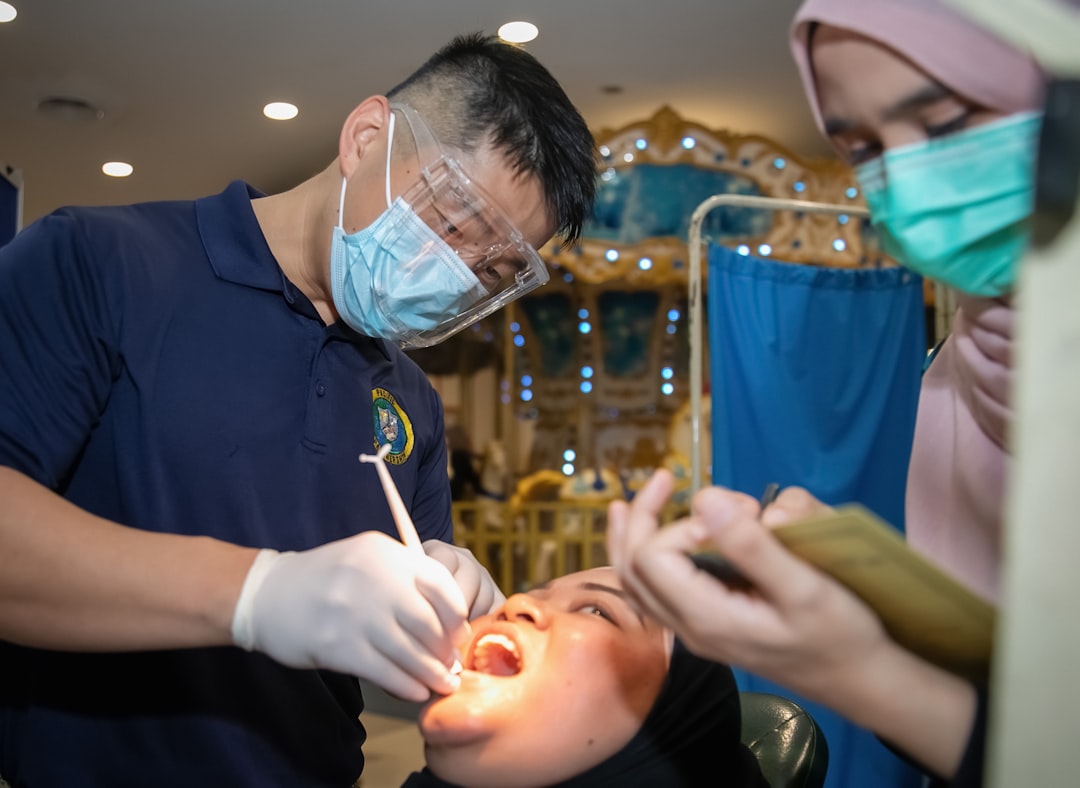
- General or cosmetic dentist (certified provider): Many experienced general dentists offer clear aligners, especially for mild-to-moderate cases and cosmetic alignment. You get in-person exams, scans, and the same clinician managing your overall oral health.
- Orthodontist: A dental specialist with additional residency training focused on tooth movement and bite correction. Often the right choice for complex bites, growing patients, or cases involving jaw discrepancies.
- Mail-order aligners: Lower advertised price, but no in-person exam, limited case selection, and less recourse if something doesn’t track as planned.
Price alone isn’t the deciding factor — suitability is. A short consultation can quickly clarify which path fits your case. You can request an evaluation with our team if you’d like a professional opinion before comparing quotes elsewhere.
How Insurance, HSAs, and Payment Plans Change the Number
Clear aligners are often treated as orthodontic care under dental insurance, which means:
- Many plans include a lifetime orthodontic maximum (a separate cap from your annual dental maximum).
- Some plans cover a percentage of orthodontic treatment up to that maximum; others exclude adult orthodontics entirely.
- Age limits sometimes apply — a plan may cover orthodontics only for dependents under a certain age.
HSA and FSA dollars can typically be applied to orthodontic treatment, which effectively reduces the cost with pre-tax funds. Most practices, including ours, also offer in-house payment plans or third-party financing to spread the fee over the treatment period.
Before you sign anything, verify:
- Whether your plan has orthodontic benefits at all.
- The lifetime orthodontic maximum.
- Any age or waiting-period restrictions.
- Whether clear aligners are covered the same as traditional braces (most plans treat them equivalently, but not all).
Our dental insurance guide explains how to read these benefit categories, and if you have Delta specifically, this breakdown of Delta Dental coverage for aligners is a useful starting point.
Questions to Ask Before You Sign a Treatment Plan

A good consultation should leave you with a written treatment plan, not a verbal estimate on a sticky note. Bring this checklist:
- What’s your best estimate of treatment length for my case?
- Are diagnostics, refinements, and retainers included in the quoted fee?
- What happens if I need additional aligners at the end?
- How often will I be seen in person during treatment?
- What’s the plan if a tray doesn’t fit or a tooth doesn’t track?
- Who is the treating clinician, and are they the one designing my plan?
- What are my payment options, and does the fee change if I pay upfront?
Asking these questions won’t offend a reputable provider — they’ll appreciate that you’re thinking carefully. And if a quote refuses to itemize what’s included, that’s information too.
Is It Worth It? A Realistic Way to Decide
Cost matters, but so does fit. Clear aligners work well for many adults who want a discreet option and are willing to wear trays consistently. They aren’t right for every bite, and outcomes depend on wearing them as directed and following through on retention.
A sensible way to decide:
- Get evaluated by a clinician who can examine your teeth and bite in person.
- Ask for a written plan with the inclusions listed above.
- Confirm insurance benefits and out-of-pocket in writing.
- Compare providers on scope and oversight, not just headline price.
If you’d like a straightforward evaluation and quote from a Huntington Beach practice that has treated cosmetic and family patients for decades, learn more about our Invisalign clear aligner services or reach out to schedule a consultation. We’ll tell you honestly whether aligners are the right tool for your smile — and exactly what your case would include.
Photos by Navy Medicine, Dental Implants Tasmania, Ozkan Guner, National Cancer Institute on Unsplash.
Frequently asked questions
Are invisible braces more expensive than metal braces?
Clear aligners are often priced similarly to comprehensive metal braces, and sometimes slightly higher due to lab and material costs. The actual difference depends on case complexity, brand, and what’s included in the fee (diagnostics, refinements, retainers). For simple cases, the gap is usually small.
Does dental insurance cover clear aligners?
Many dental plans that include orthodontic benefits cover clear aligners the same as traditional braces, up to a lifetime orthodontic maximum. Coverage varies by plan, and some exclude adult orthodontics entirely. Verify your specific benefits, age limits, and waiting periods before starting treatment.
Why are mail-order aligners so much cheaper?
Direct-to-consumer aligners skip in-person exams, 3D imaging, and hands-on clinical monitoring. They also treat a narrower range of cases — typically mild cosmetic alignment. The lower price reflects reduced clinical oversight, not a better deal for complex bites.
What if my teeth don’t fully straighten by the last aligner?
This is common and is addressed with refinements — additional aligners made from a new scan near the end of treatment. Ask upfront whether refinements are included in your quoted fee or billed separately, since this is one of the most common sources of unexpected cost.
Do I need retainers after clear aligner treatment?
Yes. Teeth naturally tend to shift after any orthodontic treatment, so retainers are essential to hold your result. Some treatment fees include the first set of retainers; others charge for them separately. Long-term retention often means wearing retainers nightly indefinitely.
How long does clear aligner treatment usually take?
Treatment length depends on case complexity. Limited cosmetic cases can finish in a few months, while comprehensive cases correcting bite issues may take 12–24 months or more. Your provider should give you an estimated range after reviewing your scans and X-rays.
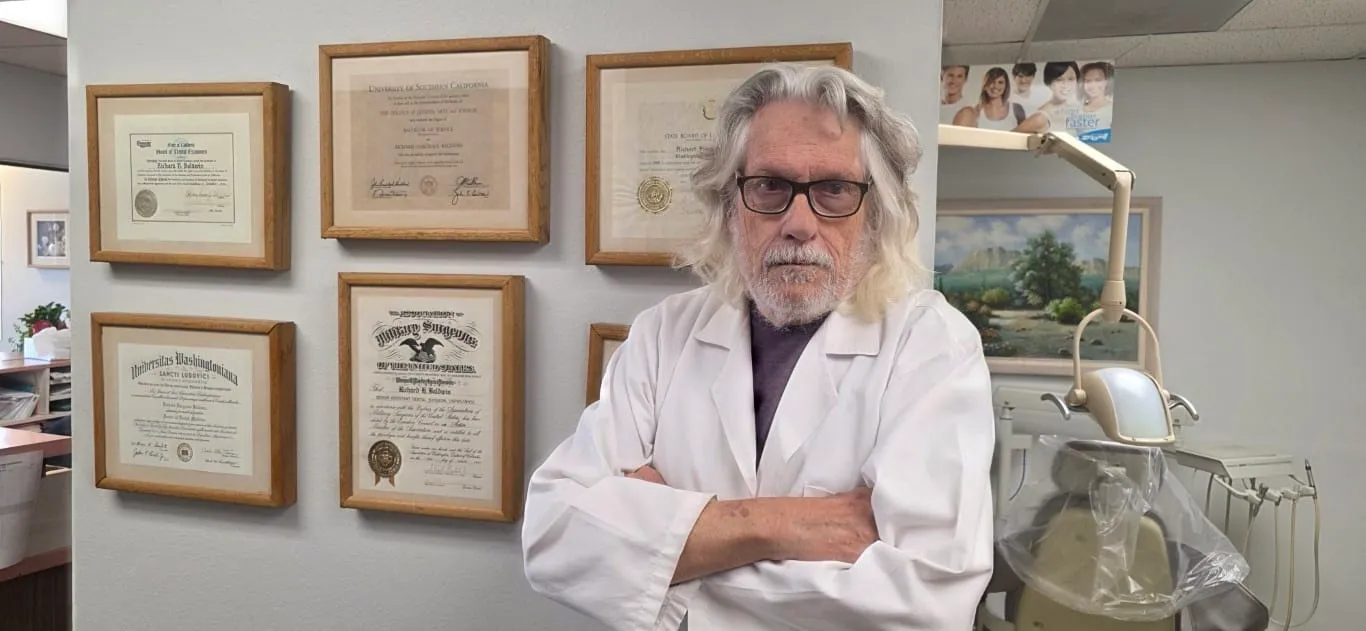
Written and clinically reviewed by Dr. Richard Baldwin, DMD General & cosmetic dentist in Huntington Beach since 1979 · Washington University School of Dental Medicine · Updated
Sources & further reading
- Braces and clear aligners — American Dental Association · MouthHealthy
- Orthodontic treatment for adults and teens — American Association of Orthodontists
- How Invisalign clear aligners work — Align Technology
This guide is general dental information from a practicing dentist, not a diagnosis. Treatment recommendations and costs are confirmed at an in-person exam.