Jump to a section
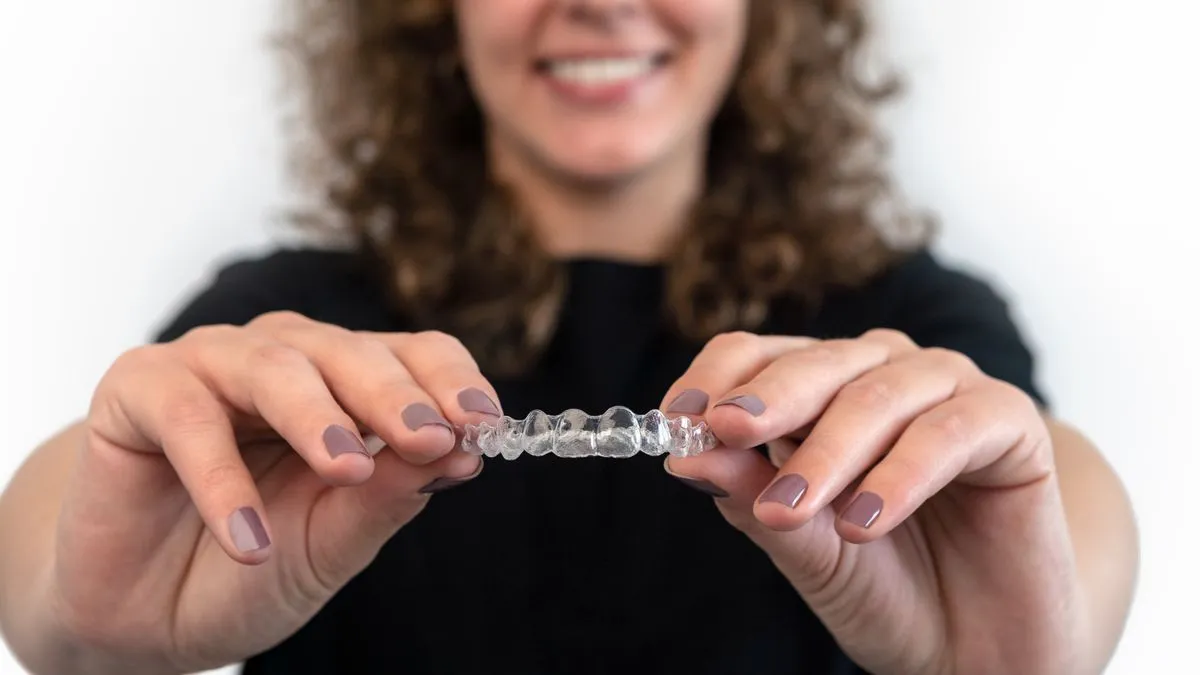
“How long will this take?” is the second question every Invisalign patient asks me, right after cost. The honest answer is that it depends on your teeth and on you — but it depends in predictable ways, and after treating Huntington Beach patients with clear aligners for years I can give you realistic ranges rather than a brochure number.
I am Dr. Richard Baldwin, DMD. Here is what determines your Invisalign timeline and what you can do to keep it on the short end.
The Short Answer: 12–18 Months for Most People
The average Invisalign case at HB Dentist finishes in 12 to 18 months. That includes the main series of aligners plus one round of refinements, which most cases need to perfect the last few millimeters. Broken down by case type:
| Case type | Typical aligners | Typical time |
|---|---|---|
| Minor front-tooth crowding or small gaps | 10–20 | 4–9 months |
| Moderate crowding, spacing or relapse after old braces | 20–35 | 9–15 months |
| Crowding plus bite correction (deep bite, crossbite, mild overbite) | 30–50 | 12–20 months |
| Complex cases (severe rotation, large overjet, extraction cases) | 50+ | 18–24 months |
Your timeline is not a guess. When we take the 3D scan, Invisalign’s software generates a tooth-by-tooth movement plan (the ClinCheck) that shows the projected number of aligners before you order anything. I review and adjust it so the movements are ones I am confident your teeth will follow.
What Makes Invisalign Take Longer
1. Wear time. Aligners only move teeth while they are in. The plan assumes 20–22 hours a day. Patients who wear them 16 hours a day take noticeably longer and need more refinements. This is the biggest variable, and it is entirely in your control.
2. The kind of movement. Tipping a tooth is easy and fast. Rotating a round-rooted tooth like a canine or premolar, closing a large gap, or moving a tooth up or down (intrusion/extrusion) is slow, and the software builds in extra aligners for it.
3. Bite correction. Fixing how the upper and lower teeth meet often requires elastics worn to small hooks on the aligners, which adds months but is what makes the result stable.
4. Refinements. After the first series, we rescan; roughly two out of three cases need a short second series of 5–15 aligners to finish. This is normal and is included in your treatment fee at HB Dentist.
5. Missed check-ins. We see you every 4–6 weeks to confirm the teeth are tracking and hand you the next batch. Skipping a visit means you run out of aligners or keep wearing trays that no longer fit.
What Speeds It Up
- Aligner chewies. Biting on the small foam cylinders for a few minutes after inserting a new tray seats it fully so the movement happens on schedule.
- Switching trays at night. Put a new aligner in at bedtime; the first several hours of a tray are the most uncomfortable and you sleep through them.
- Keeping the aligners in for everything except eating and brushing. Coffee counts as eating. Rinse and reinsert.
- Attachments. The small tooth-colored bumps we bond to certain teeth give the aligner grip for harder movements. Patients sometimes ask to skip them; that usually makes treatment longer, not shorter.
Invisalign for Teens: Same Timeline, One Extra Tool
Teen cases run on the same 12–18 month range. The difference is compliance monitoring: Invisalign Teen aligners have blue indicator dots that fade with wear, so you and I can both see whether the trays are being worn. Our Invisalign for teens page and Invisalign Teen vs standard comparison go into detail.
After the Aligners: Retainers Are Part of the Timeline
Treatment does not end when the last aligner comes out. Teeth want to drift back for the first year, and they keep drifting slowly for life. The protocol I use:
- Months 1–6 after treatment: wear your retainer full time except when eating.
- After that: nightly, indefinitely.
Retainers are included with Invisalign treatment at HB Dentist, and replacements are available if one is lost. Details are on our retainers page.
How Invisalign Works at HB Dentist
The process starts with a consultation and the records needed to assess your bite and oral health. If you are a suitable candidate, the written plan should state the projected timeline and whether scans, aligners, attachments, refinements, and retainers are included. Ask the office to confirm the current Invisalign offer and eligibility. I am a general dentist and an Invisalign provider, not an orthodontist; if your case would be better treated by an orthodontist, I will explain the referral.
Full details, including what Invisalign costs in Huntington Beach, are on our Invisalign page. If you are weighing aligners against braces, our Invisalign vs braces guide compares them side by side.
The Bottom Line
Plan on 12–18 months, shorter for minor crowding and longer for bite correction, and know that your wear time is the single biggest factor. Call (714) 536-2571 or book a free Invisalign consultation to see your own projected timeline on a scan.
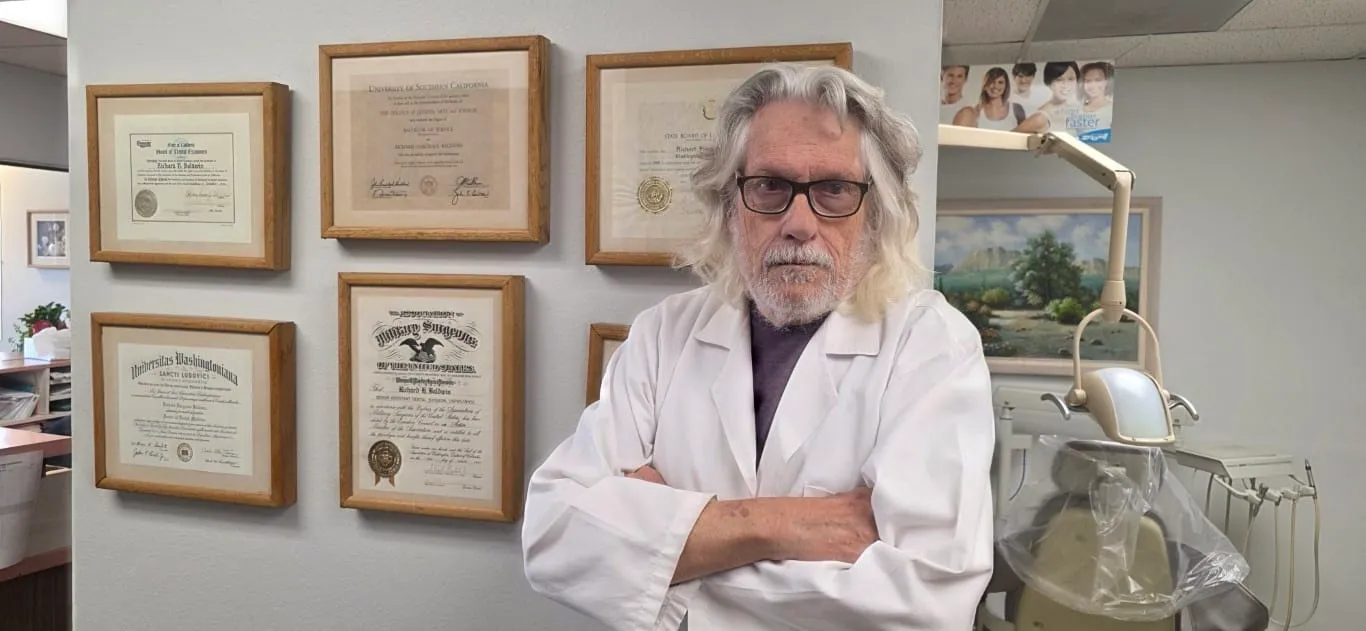
Written and clinically reviewed by Dr. Richard Baldwin, DMD General & cosmetic dentist in Huntington Beach since 1979 · Washington University School of Dental Medicine · Updated
Sources & further reading
- Braces and clear aligners — American Dental Association · MouthHealthy
- Orthodontic treatment for adults and teens — American Association of Orthodontists
- How Invisalign clear aligners work — Align Technology
This guide is general dental information from a practicing dentist, not a diagnosis. Treatment recommendations and costs are confirmed at an in-person exam.