Jump to a section
Mail-order clear aligners promise a straighter smile without ever setting foot in a dental office. You take a putty impression at your kitchen table, ship it back, and a box of trays shows up a few weeks later. It sounds efficient — and for a small subset of very mild cases it can work. But the shortcut that makes DIY aligners cheap is the same shortcut that causes the problems we see when patients arrive at our Huntington Beach office asking us to fix what went wrong.
This guide walks through what supervised orthodontic care actually includes, what mail-order services skip, and how to decide which path fits your teeth — not just your budget.
What “clear aligners” actually are
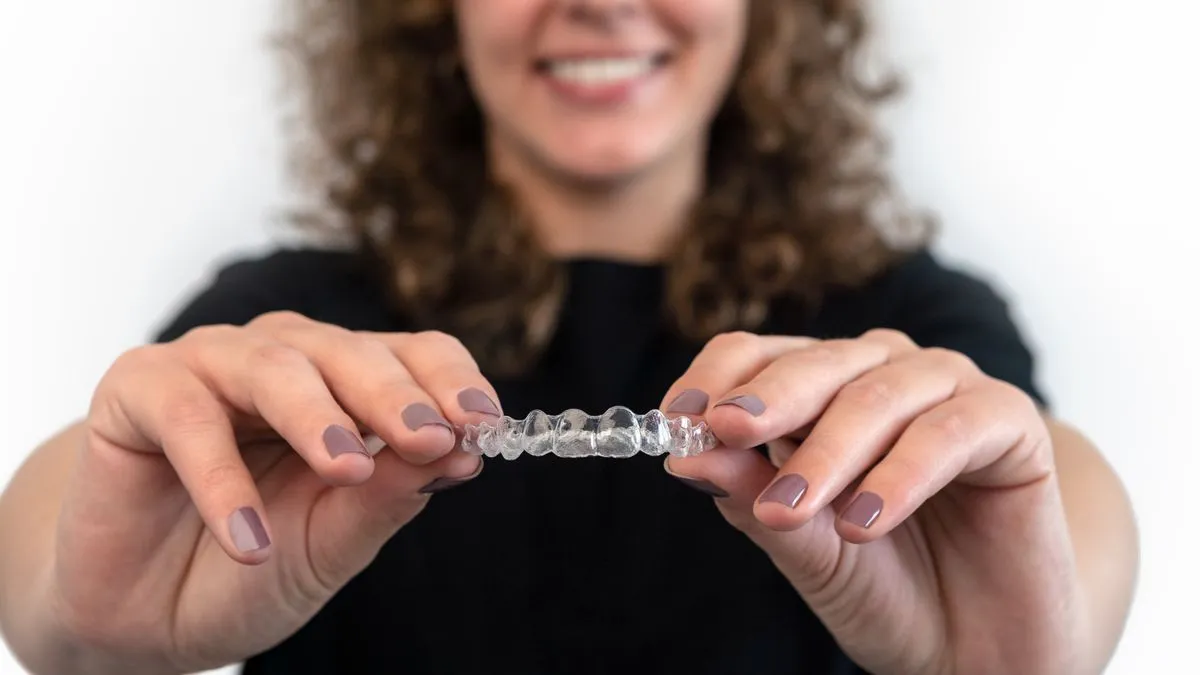
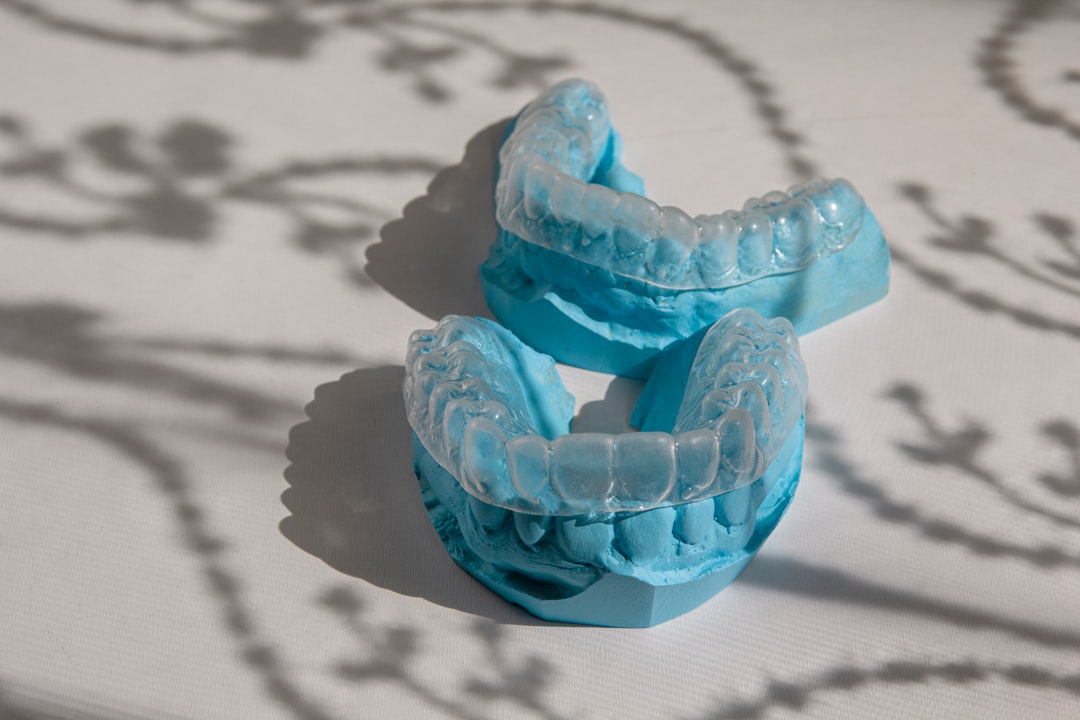
Clear aligners are a series of thin, custom-fit plastic trays that move teeth in small increments. Each tray is worn for a set period (commonly one to two weeks), then swapped for the next in the sequence. The concept is the same whether the trays come from a dentist-supervised system like Invisalign or from a direct-to-consumer mail-order company.
The difference is not the plastic. The difference is everything that happens before the trays are made and everything that happens while you wear them.
Supervised treatment typically includes:
- A clinical exam of your teeth, gums, bite and jaw
- Digital 3D scans and often X-rays
- A treatment plan reviewed by a licensed dentist or orthodontist
- In-person progress checks and mid-course adjustments
- Attachments, interproximal reduction (IPR) or refinements when needed
Mail-order companies generally rely on a self-taken impression or a scan from a storefront, remote review of photos, and shipped trays. Some models have a licensed clinician assigned to your file, but that clinician usually never examines you in person.
Why the initial scan and exam matter
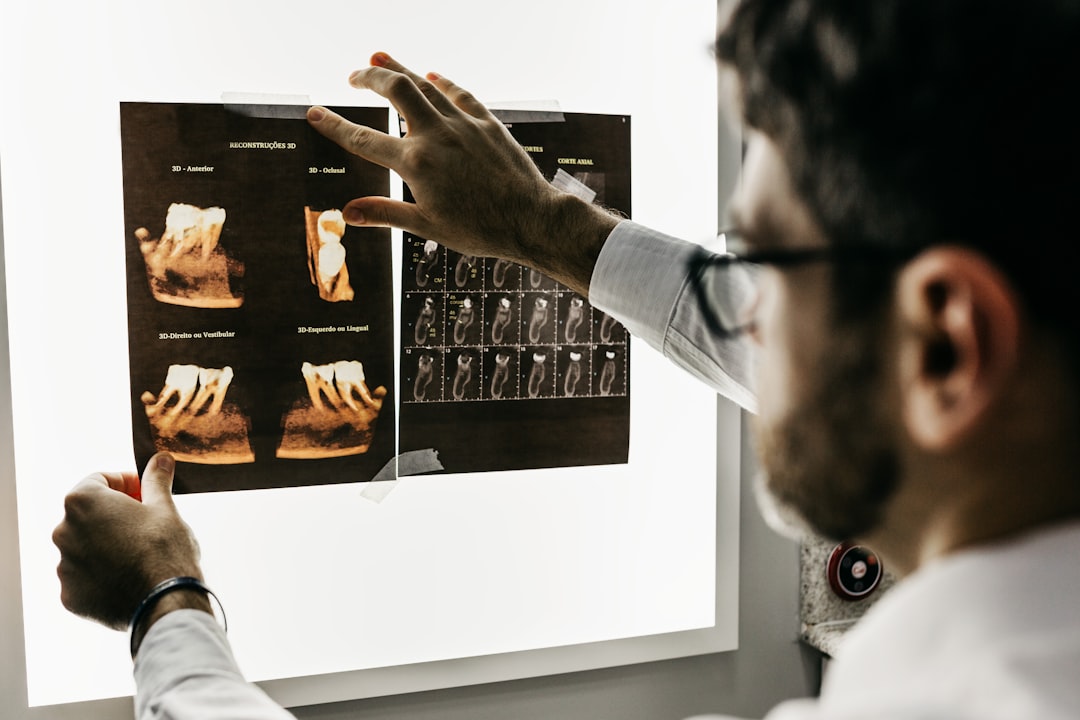
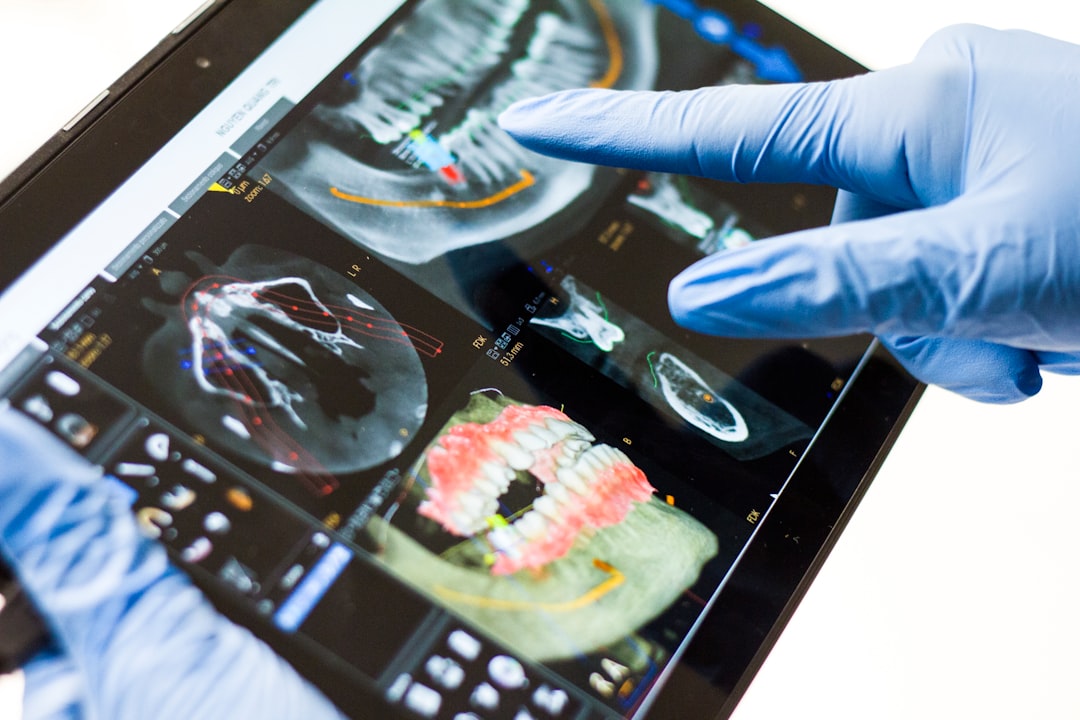
A 3D scan is more than a pretty picture. It captures the position of every tooth and, combined with X-rays and an in-person exam, tells the dentist things a mail-in impression cannot:
- Root position and bone support. Teeth move through bone. If the bone is thin or the roots are angled unfavorably, pushing a tooth in the wrong direction can cause recession or even loss.
- Active gum disease. Moving teeth through inflamed, infected tissue accelerates bone loss. Periodontal issues need to be treated first.
- Untreated decay or failing restorations. Aligners fit tightly over teeth. A cracked filling or hidden cavity under a tray can worsen quickly.
- Bite problems. Overbite, crossbite and open bite are not just cosmetic — they affect chewing, wear and jaw joints, and they influence which movements are safe.
- Root length and prior orthodontic history. Adults who had braces as teenagers sometimes have shorter roots, which changes the safe rate of movement.
Without that workup, a treatment plan is essentially a guess based on the crowns of your teeth. If you’d like a deeper look at how supervised aligner treatment is structured, our ultimate guide to Invisalign walks through each phase.
What commonly goes wrong without supervision
The complaints we hear from patients who tried mail-order aligners tend to fall into a few categories. These are patterns reported broadly in dental literature and consumer reporting, not claims about any specific brand.
- Bite that no longer meets. Front teeth look straighter in the mirror, but the back teeth no longer touch when biting down. Eating becomes uncomfortable and jaw muscles fatigue.
- Gum recession or loose teeth. Movement outpaces what the bone can support, especially in patients with pre-existing thin tissue.
- Relapse after treatment ends. Without proper retention planning, teeth drift back — sometimes to a worse position than the starting point.
- Undiagnosed decay or gum disease. Problems that would have been caught at a routine exam progress silently during the months of aligner wear.
- Root resorption. Roots shorten when teeth are moved too fast or in the wrong direction. It is usually painless and only visible on X-rays.
Fixing these outcomes often costs more than supervised treatment would have in the first place, and some changes — like lost bone or shortened roots — cannot be fully reversed.
Cost comparison: sticker price vs total cost
Mail-order aligners advertise a lower upfront number. That number typically does not include:
| Item | Mail-order | Dentist-supervised |
|---|---|---|
| Clinical exam & X-rays | Not included | Included in workup |
| 3D scan | Sometimes, at a storefront | Standard |
| Attachments / IPR when needed | Generally not offered | Available |
| In-person progress visits | Not offered | Included |
| Refinement trays | Limited | Typical part of plan |
| Retainers | Sometimes extra | Usually planned in |
| Correcting complications | Patient’s responsibility | Handled in treatment |
Insurance sometimes contributes to orthodontic care. If you’re weighing coverage, our dental insurance guide for 2026 explains what to ask your plan about orthodontic benefits before you commit.
Who is (and isn’t) a candidate for aligners at all
Even with full supervision, clear aligners are not the right tool for every case. Good candidates generally have:
- Permanent teeth in reasonably good health
- Mild to moderate crowding, spacing or rotation
- Healthy gums and adequate bone
- The discipline to wear trays 20–22 hours per day
Cases that often need braces or a combined approach include severe crowding, significant skeletal bite problems, teeth that need to be moved vertically a long distance, and mouths with multiple missing teeth or large restorations. A dentist can tell you honestly whether aligners will get you the result you want or whether another route is more predictable. If restorative work like crowns or bridges is already in the mix, that also affects the plan.
How supervision actually looks in practice
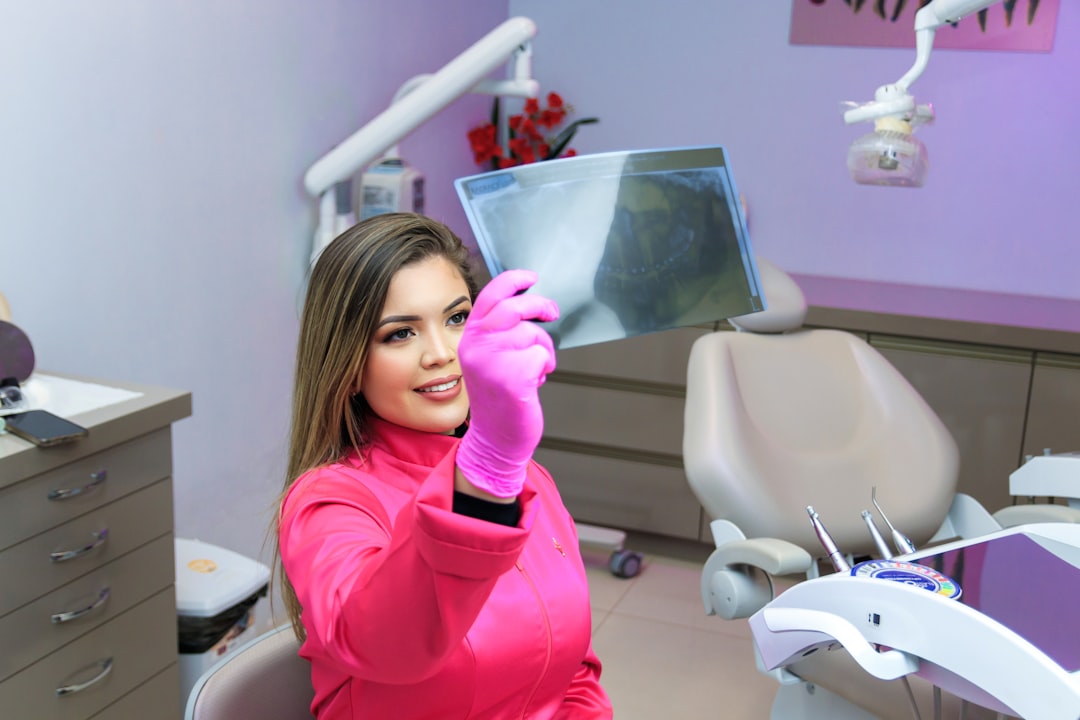
A supervised aligner case usually follows a rhythm like this:
- Consultation and records. Exam, photos, X-rays and a digital scan. The dentist reviews whether aligners fit your goals and your anatomy.
- Treatment plan review. You see a simulation of tooth movement and understand the number of trays, the estimated timeline and whether attachments or IPR are planned.
- Delivery and monitoring. Trays are placed, attachments bonded if needed, and check-ins happen every several weeks to confirm teeth are tracking.
- Refinement. If a tooth isn’t keeping up with the plan, a new scan and a short additional series correct the gap.
- Retention. Retainers hold the result. Without them, teeth move — this is biology, not a failure of the aligners.
This is also why an established local practice matters. If something feels off between visits — a tray that won’t seat, a sore tooth, a lost aligner — you want a team you can reach. Our about us page explains how Dr. Baldwin’s practice approaches ongoing patient relationships, and contact is the fastest way to set up a consultation.
Making the decision
Mail-order aligners are not evil, and supervised care is not automatically better for every possible reason. But orthodontic movement is a medical procedure, not a subscription box. The scan, exam and periodic checks exist because teeth, gums and bone respond individually — and small missteps compound over months of wear.
If you’re considering clear aligners in Huntington Beach, Fountain Valley or nearby, the most useful next step is a consultation where someone actually looks in your mouth, reviews your X-rays and tells you whether aligners are the right tool. That conversation is worth having before you commit to any path, mail-order or otherwise.
Photos by Ozkan Guner, Jonathan Borba, Quang Tri NGUYEN, SoyBreno on Unsplash.
Frequently asked questions
Are mail-order clear aligners safe?
For very mild cosmetic cases in a healthy mouth, mail-order aligners can work, but they skip the clinical exam, X-rays and in-person monitoring that catch problems like gum disease, decay, unfavorable root position or bite issues. Because tooth movement affects bone and gums, complications from unsupervised treatment can include recession, loose teeth, bite problems and root shortening.
What’s the difference between Invisalign and mail-order aligners?
The trays are similar plastic; the process is not. Invisalign is provided through a dentist who examines you, takes a 3D scan and X-rays, plans the movements, adds attachments or interproximal reduction when needed, and monitors progress in person. Mail-order services rely on a self-taken impression or storefront scan and remote review, without hands-on exams or adjustments.
Can clear aligners fix a bad bite?
Aligners can correct many bite issues when planned carefully, but severe skeletal bite problems, large vertical movements or complex cases often need braces or a combined approach. A dentist can review your scans and X-rays to tell you honestly whether aligners will reach your goal.
What happens if my teeth were damaged by DIY aligners?
Start with a full exam and X-rays to see what changed — bite, gum position, bone level and root length. Depending on findings, treatment might include periodontal care, restorative work, a new supervised orthodontic plan or long-term retention. Some changes can be corrected; others, like lost bone, may only be stabilized.
Do I still need retainers after clear aligner treatment?
Yes. Teeth naturally tend to drift, and without retainers the result you worked for will shift over time. Retention is a lifelong part of any orthodontic treatment, whether you used braces or aligners.
How do I know if I’m a candidate for Invisalign?
The only reliable way is an in-person consultation with scans, photos and X-rays. Generally good candidates have permanent teeth in good health, mild to moderate alignment issues, healthy gums, and the discipline to wear trays 20–22 hours a day.
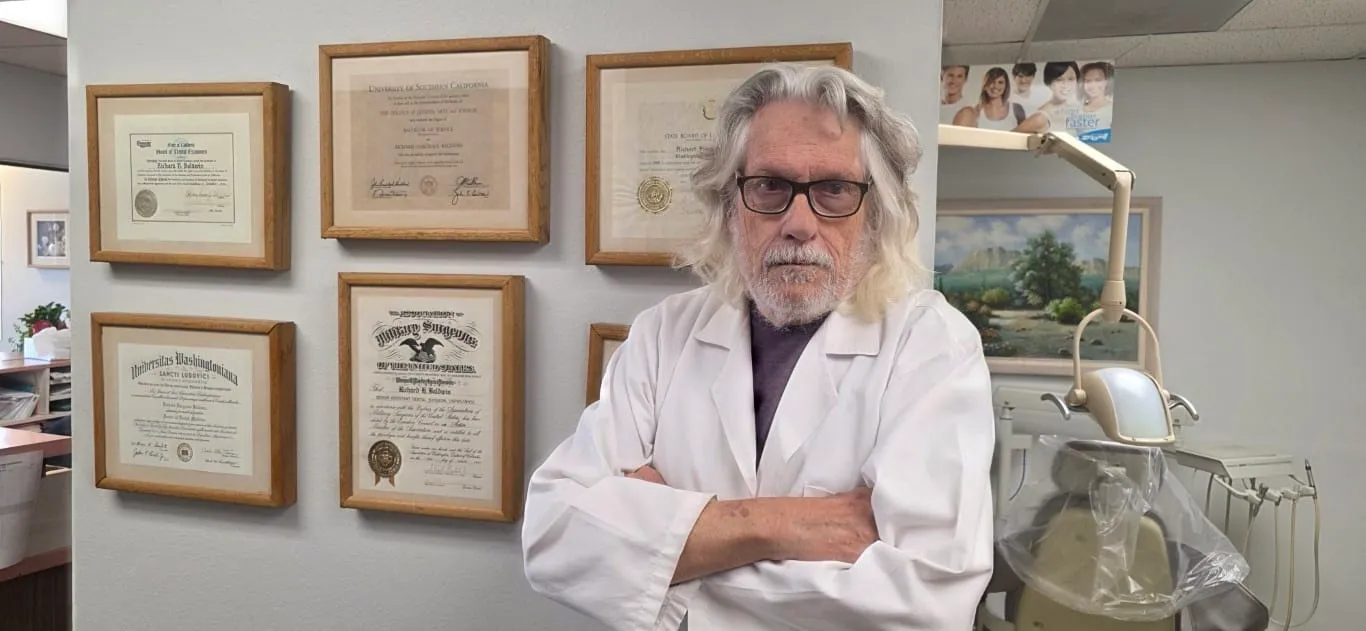
Written and clinically reviewed by Dr. Richard Baldwin, DMD General & cosmetic dentist in Huntington Beach since 1979 · Washington University School of Dental Medicine · Updated
Sources & further reading
- Braces and clear aligners — American Dental Association · MouthHealthy
- Orthodontic treatment for adults and teens — American Association of Orthodontists
- How Invisalign clear aligners work — Align Technology
This guide is general dental information from a practicing dentist, not a diagnosis. Treatment recommendations and costs are confirmed at an in-person exam.