Jump to a section
- Invisalign for Adults Over 35: What Real Results Look Like at HB Dentist
- Why the 35 to 55 Window Produces Such Strong Results
- The Oral Health Conversation That Actually Matters at 35+
- What Real Results Look Like
- How the Process Looks at HB Dentist
- Cost and Insurance at This Stage of Life
- Making the Decision
- Schedule Your Consultation at HB Dentist
Invisalign for Adults Over 35: What Real Results Look Like at HB Dentist
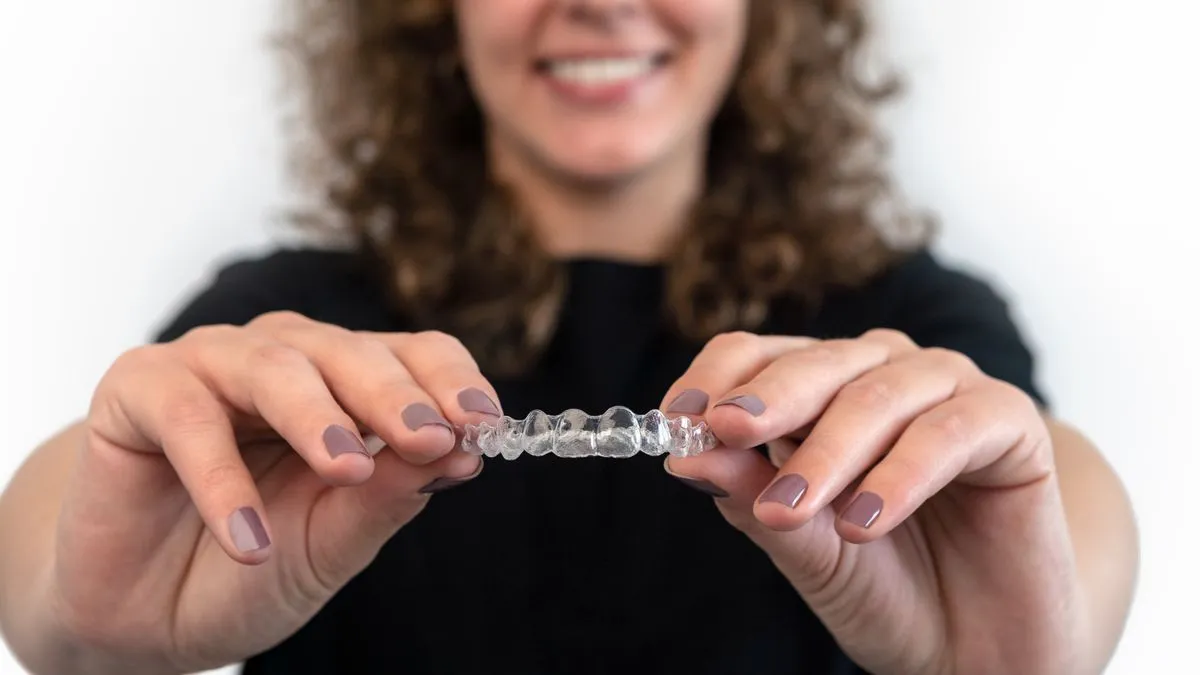
A growing share of the adults who complete Invisalign at our Huntington Beach practice are in their late 30s, 40s, and 50s. These are not impulsive decisions. They are deliberate choices by people who have thought about their smile for years, finally hit a moment that made acting feel right, and wanted to understand the full picture before committing.
If you are in that group, this article is specifically for you. Not the general overview of how clear aligners work, but the details that matter at 35 and beyond — the oral health considerations that do not come up in content written for 20-year-olds, what real results look like at this stage, and what the process is like at our practice.
Why the 35 to 55 Window Produces Such Strong Results
There is a reason this age group has become one of the fastest-growing Invisalign demographics. Several, in fact.
You know what you want. Adults in their 30s and 40s have a clear picture of their smile goals and the self-awareness to articulate them. That specificity makes treatment planning more direct and reduces the mid-treatment second-guessing that sometimes affects younger patients.
The technology has caught up. Earlier versions of Invisalign were limited to cosmetic alignment issues. Today’s system handles a much wider range of cases, including the bite shifts, mild crowding relapse, and spacing changes that commonly develop in adults over 35. Cases that once required traditional braces now proceed comfortably with clear aligners.
The professional stakes are real. We are living more of our professional lives on camera than any previous generation. Video meetings, LinkedIn profiles, client presentations — your face and your smile are in the frame constantly. Adults in client-facing or leadership roles consistently report that their smile affects their confidence in professional settings. Invisalign addresses that without drawing attention to orthodontic hardware in the process.
It fits how your life is structured. Appointments every six to eight weeks, no dietary restrictions, aligners that come out for important presentations or events — the treatment model is designed for people with busy schedules and professional obligations.
The Oral Health Conversation That Actually Matters at 35+
Before beginning Invisalign with any adult patient over 35, Dr. Richard Baldwin, DMD conducts a thorough evaluation that goes further than what we would assess in a younger patient. Adults have a longer dental history, which means more context — and more to protect.
Gum Health
Periodontal disease becomes more prevalent with age. Moving teeth through inflamed or unstable tissue can accelerate bone loss and produce unpredictable results. Before starting any orthodontic treatment, we assess your gum health carefully. If there is active gum disease or inflammation, we address that first — typically with a deep cleaning cycle or periodontal therapy. Once your gum health is stable, orthodontic treatment is fully appropriate, and the outcome is much more predictable.
Bone Density Changes
Tooth movement relies on bone remodeling: bone dissolves slightly on the pressure side of a moving tooth and rebuilds on the tension side. This remodeling process slows modestly with age. For adults in their 50s, the pace of treatment may be slightly more conservative than for adults in their 30s. In practice, this often means weeks of difference, not months — and Dr. Baldwin accounts for it when building your treatment timeline so there are no mid-treatment surprises.
Existing Restorations
By 35, most adults have at least some dental work — crowns, bridges, bonding, veneers, or implants. These restorations respond differently to aligner pressure than natural tooth structure. During your evaluation, every restoration is mapped and factored into the treatment plan. In most cases, Invisalign can be completed around existing work without issue. In some situations, a restoration may need updating before treatment begins, or cosmetic finishing after — we identify those conversations early so you can plan accordingly.
Medication Interactions
Certain medications more common in this age group — particularly long-term bisphosphonates used for bone density, some blood pressure medications, and corticosteroids — can affect how bone metabolizes during tooth movement. This is not typically a barrier to treatment, but it is important information for accurate planning. At your consultation, bring a complete medication list. It is not a disqualifying conversation; it is a planning one.
What Real Results Look Like
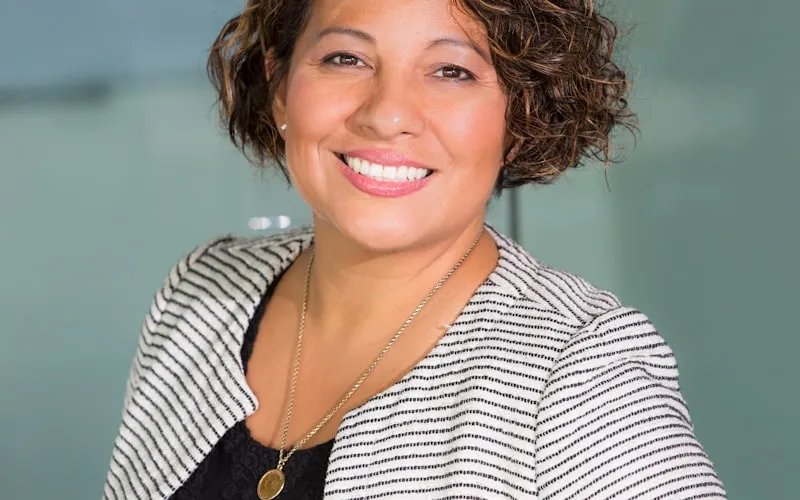
The most consistent result we see in adults who complete Invisalign at HB Dentist: patients who spent years covering their mouth when they laughed now smile deliberately and without thinking about it.
That might sound like a cliche, but it describes a genuine pattern. Crowded, gapped, or shifted front teeth create a low-grade self-consciousness that accumulates over time. Adults describe avoiding photos for years, positioning themselves in group shots to hide their teeth, or feeling less present during job interviews because they were managing how their smile appeared. Once those teeth are aligned, the change in how patients carry themselves is often disproportionate to the physical transformation.
The other result we see consistently: patients return for whitening within three to six months of completing Invisalign. Straight teeth draw more attention to color. After months of careful oral hygiene during treatment, patients are motivated to finish the picture. Straight, bright teeth together are the most common outcome of a full smile makeover for this age group, and the two treatments sequence naturally.
How the Process Looks at HB Dentist
Consultation and records. Dr. Baldwin reviews your teeth, gums, bite, existing restorations, and goals. The office will explain which examination, X-rays, or digital scans are clinically appropriate and provide a written estimate before treatment.
Treatment planning. Using Invisalign’s ClinCheck software, Dr. Baldwin maps each tooth’s movement from its current position to final alignment. You see a 3D simulation of your projected results before you commit to anything.
Aligner delivery. You receive your first sets of aligners with a protocol for wear and care. Aligners are changed every one to two weeks. You visit our office approximately every six to eight weeks for progress checks — typically 15 to 20 minutes, easy to fit around a working schedule.
Mid-treatment refinements if needed. If refinement aligners improve the outcome, we incorporate them as part of most standard treatment plans.
Retention. Your final appointment involves fitting a custom clear retainer. Wearing it as directed protects the result long-term. Many patients wear it every night indefinitely — a small habit for a permanent outcome.
Whatever your age, a retainer afterward is what protects the result long term.
Cost and Insurance at This Stage of Life
Most Invisalign cases at HB Dentist range from $3,500 to $7,000, depending on case complexity. For adults over 35 with dental insurance that includes an orthodontic benefit, a meaningful portion of that cost is often covered. Most orthodontic riders apply $1,000 to $2,500 toward treatment.
For patients paying out of pocket, we offer flexible payment plans that make treatment accessible on a monthly budget — typically $200 to $300 per month for most standard cases. Our full Invisalign cost guide for Huntington Beach covers pricing, insurance verification, and financing options in detail.
One way to frame the investment: a $5,000 case spread over 15 months is around $333 per month. The result, maintained with a retainer, lasts decades. For adults who have been thinking about their smile for years, the return on that investment tends to feel very concrete, very quickly.
Making the Decision
The question is not really whether Invisalign works for adults over 35 — it does, and the evidence for adult orthodontics is robust across all age ranges. The question is whether the timing works for you.
The factors worth considering:
- Is your gum health stable, or manageable before treatment?
- Do you have 12 to 18 months of consistent wear commitment?
- Does the monthly investment fit your current financial picture?
- Is there a specific version of your smile you have been working toward — an event, a professional shift, a long-held goal?
If those answers trend toward yes, the best next step is a clinical conversation, not more research. Our Invisalign vs. braces comparison covers every factor worth knowing for this decision. And when you are ready to talk specifics, we are here.
Schedule Your Consultation at HB Dentist
Dr. Baldwin is currently offering free Invisalign consultations at our Huntington Beach office. If you are over 35 and have been thinking about this for a while, this is a low-pressure way to find out what is actually possible for your specific situation — with a real plan and a real number, not a ballpark.
Request an Invisalign consultation or call (714) 536-2571. The team will confirm current availability and the next steps.
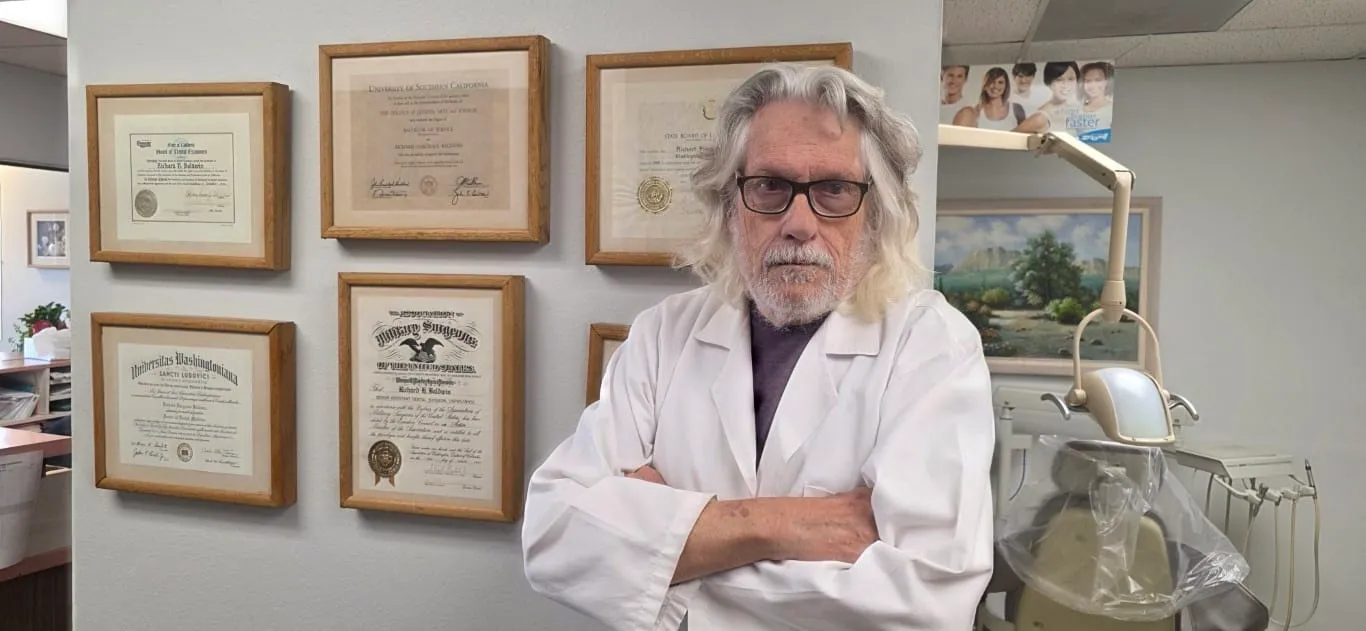
Written and clinically reviewed by Dr. Richard Baldwin, DMD General & cosmetic dentist in Huntington Beach since 1979 · Washington University School of Dental Medicine · Updated
Sources & further reading
- Braces and clear aligners — American Dental Association · MouthHealthy
- Orthodontic treatment for adults and teens — American Association of Orthodontists
- How Invisalign clear aligners work — Align Technology
This guide is general dental information from a practicing dentist, not a diagnosis. Treatment recommendations and costs are confirmed at an in-person exam.
