Jump to a section
- The Patient’s Story: Five Years of Crown Problems
- Why a Short Tooth Can Make Crown Retention Difficult
- The Consultation: Finding the Cause Before Proposing a Fix
- The Treatment: Creating More Structure for the Crown
- The Result: Restored Fit, Function, and Confidence
- What to Do When Your Crown Keeps Coming Loose
- Dental Crown Treatment in Huntington Beach
- Frequently Asked Questions
- Get a Second Opinion on a Failing Crown
When a dental crown keeps falling out, re-cementing it can feel like the obvious answer. But when the same restoration loosens or breaks repeatedly, the more important question is why it cannot stay in place.
One Huntington Beach patient came to Dr. Richard Baldwin, DMD after dealing with that cycle for approximately five years. The case illustrates how a careful diagnosis, additional exposed tooth structure, and a redesigned crown can address the cause instead of repeating the same repair.
Patient details and clinical images are shared with permission. Individual results vary, and this case study does not guarantee a particular outcome for another patient.
The Patient’s Story: Five Years of Crown Problems
A previous dentist had placed a crown on one of the patient’s lower back teeth. Within a few months, it came off. The crown was re-cemented, but it loosened again. At other times, it broke and had to be repaired or replaced.
Every failure brought another appointment, another interruption, and another expense. By the time the patient visited HB Dentist, they reasonably wondered whether the tooth simply could not support a crown.
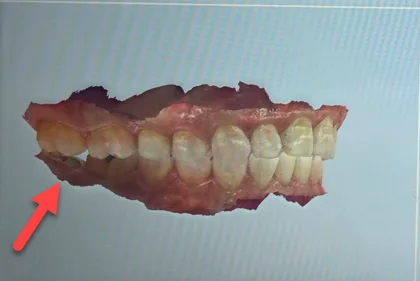
The tooth was unusual, but the situation was not hopeless. The patient naturally had short, small teeth, leaving limited visible tooth structure for the restoration to hold onto.
Why a Short Tooth Can Make Crown Retention Difficult
Dental cement is only one part of what keeps a crown in place. Retention also depends on the amount and shape of the remaining tooth, the height and taper of the prepared walls, the crown’s fit, and the forces created by the patient’s bite.
A short tooth gives the crown less vertical surface to surround. Chewing can then create tipping or lifting forces that challenge the cemented connection. Simply using more cement does not correct unfavorable tooth shape or a restoration that lacks adequate retention.
In restorative dentistry, exposing additional sound tooth structure may make a crown procedure more predictable in selected cases. The American Academy of Periodontology explains that crown lengthening can make restorative treatment possible, although the appropriate method depends on the gum, bone, tooth, and planned restoration.
The Consultation: Finding the Cause Before Proposing a Fix
The first visit focused on diagnosis rather than immediately replacing the crown. Dr. Baldwin evaluated:
- The supporting tooth and surrounding gum tissue
- How much healthy tooth structure was available above and below the visible gumline
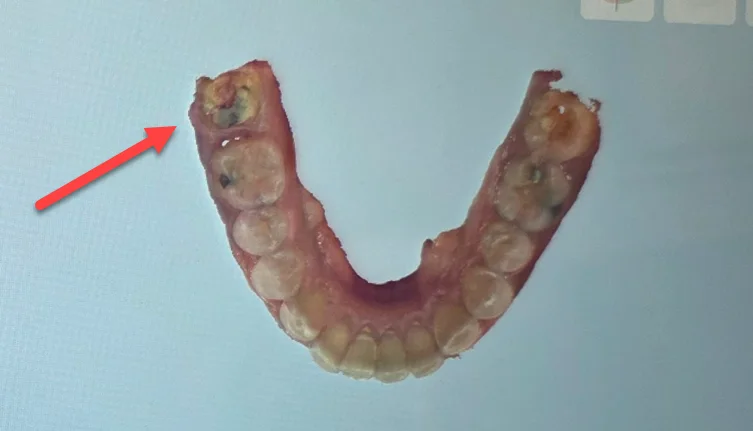
- Digital 3D images and an iTero scan of the lower arch
- The patient’s bite and the forces the new restoration would face
- Whether the tooth appeared restorable before recommending treatment
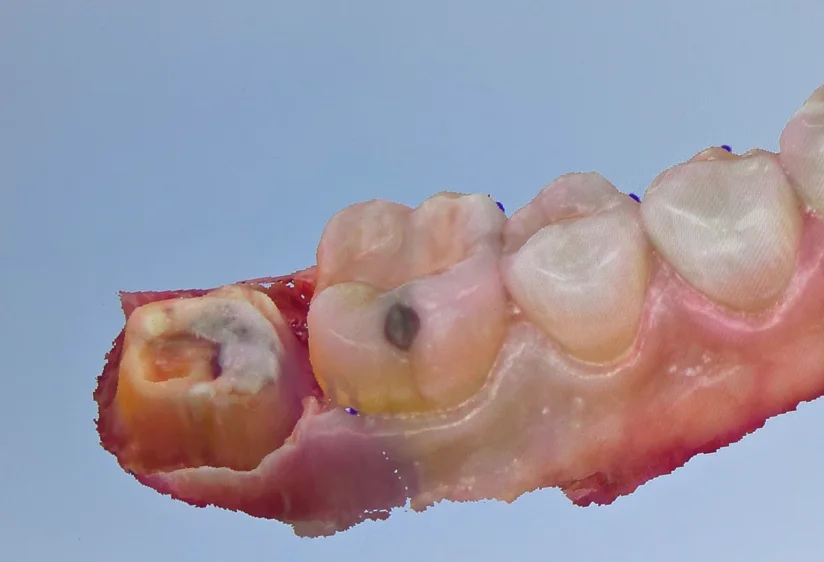
The scan showed that additional healthy tooth structure was present along the sides of the tooth but was covered by gum tissue. That finding gave the patient a physical explanation for the repeated failures and a different path forward.
The Treatment: Creating More Structure for the Crown
Rather than repeating the same crown design, Dr. Baldwin changed the foundation of the restoration.
Step 1: Recontouring the Gum Tissue
Dr. Baldwin carefully reshaped the gum tissue around the sides of the tooth to expose more of the natural tooth. In this case, the added visible height allowed the future crown to extend farther around the tooth instead of sitting primarily on top of it.
Crown-lengthening procedures can range from soft-tissue recontouring to treatment that also involves the supporting bone. The specific approach must be planned around the individual tooth and periodontal tissues; it is not appropriate for every patient.
Step 2: Preparing Defined Crown Margins
With more tooth structure accessible, the tooth was prepared with a clear margin around its circumference. This created a defined finishing line for the new crown and allowed the restoration to surround more of the supporting tooth.
Step 3: Capturing a Digital Impression
An iTero intraoral scanner captured the prepared tooth and the surrounding bite digitally, without a traditional putty impression. Digital and conventional impressions can both produce clinically acceptable crowns; a randomized clinical study found comparable clinical marginal adaptation while the digital workflow showed better measured internal and marginal adaptation before cementation (PubMed).
For this patient, the digital model made it possible to review the available tooth structure and restoration design from several angles.
Step 4: Seating a Full-Coverage Crown
The completed crown extended down and around the prepared tooth to the newly accessible margin. Dr. Baldwin checked the fit, contacts, and bite before completing the restoration.
The goal was not to claim that any crown can last forever. It was to give this crown a more favorable foundation and reduce the mechanical problem that had contributed to repeated loosening.
The Result: Restored Fit, Function, and Confidence
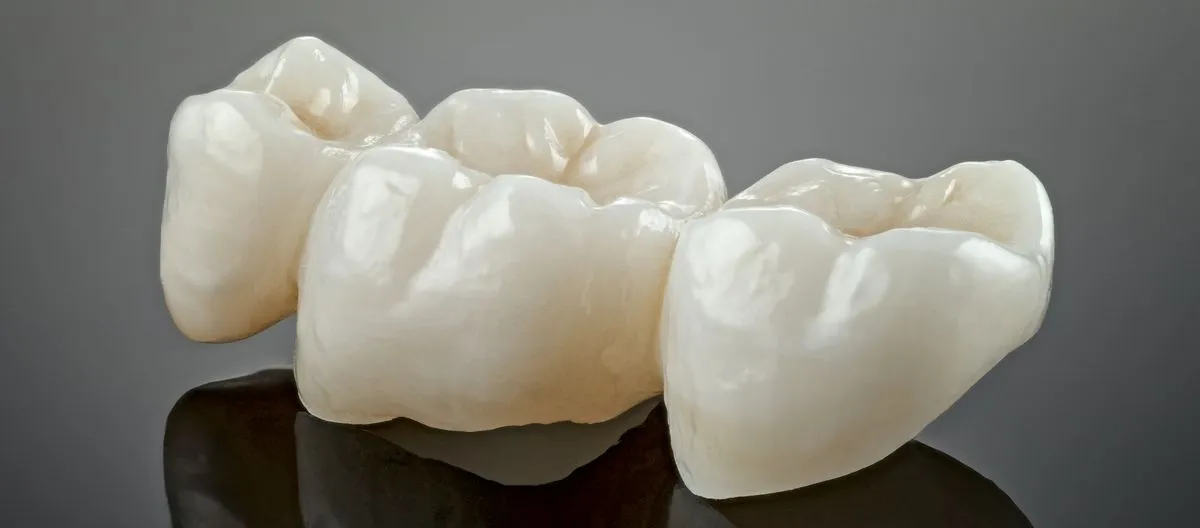
The finished crown covered the tooth on every surface and sat flush along the planned margin. Its shade was selected to blend with the adjacent teeth, and the bite was adjusted so the restored molar shared chewing forces appropriately.
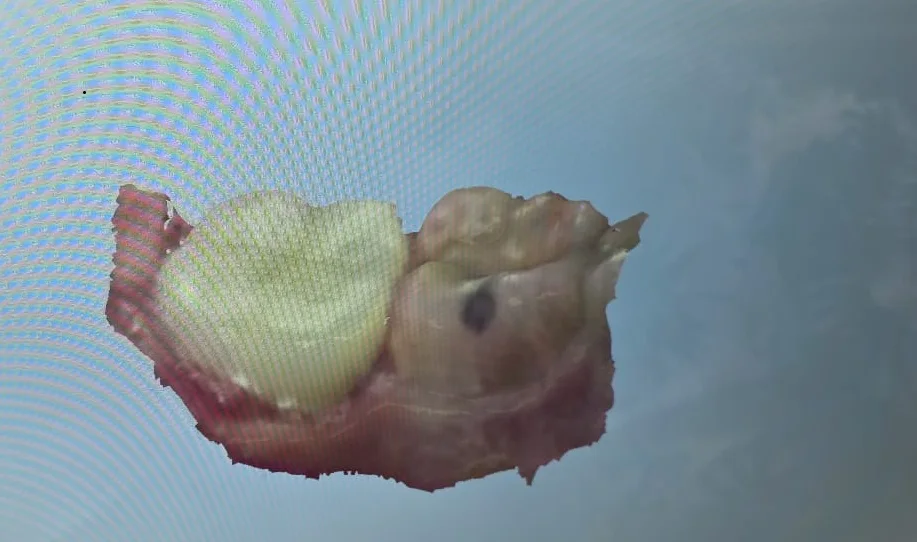
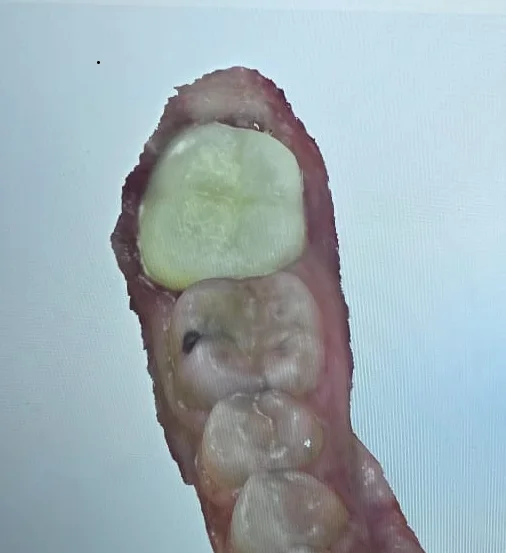
For the patient, the most meaningful result was being able to use the tooth again without immediately expecting another failure. The definitive treatment also cost less than the combined cycle of repeated re-cementing, repairs, and remakes described by the patient.
What to Do When Your Crown Keeps Coming Loose
One loose crown does not always require a completely different treatment. A dentist may be able to re-cement it when the crown, tooth, and fit remain sound. Repeated failure deserves a closer evaluation.
Ask your dentist to explain:
- Whether the supporting tooth has enough healthy structure
- Whether decay, fracture, or an old buildup is weakening the foundation
- Whether the crown’s shape and fit provide adequate retention
- Whether your bite or grinding habits are adding excessive force
- What alternatives exist before the same crown is cemented again
If you are still uncertain, seeking a second opinion is reasonable. Bring previous X-rays and treatment records when possible so the dentist can evaluate the full history.
Dental Crown Treatment in Huntington Beach
Dr. Baldwin has served Huntington Beach since 1979 and uses digital imaging and iTero scanning to help patients understand their diagnosis before treatment begins. Learn more about crowns and bridges at HB Dentist or review the practice’s current new-patient specials.
At the time of publication, eligible new patients without dental insurance can receive a custom color-matched zirconia crown for $999, including an exam, X-rays, and a temporary crown. A buildup, root canal, gum treatment, extraction, or other treatment identified during the exam is quoted separately. Offers cannot be combined and should be confirmed when booking.
Frequently Asked Questions
Why does my dental crown keep falling out?
A crown may repeatedly loosen because the remaining tooth is too short for adequate retention, the preparation shape or crown fit is unfavorable, the bite places excessive force on it, or decay or fracture has changed the supporting tooth. An exam and X-rays are needed to determine which factor applies.
Can a loose crown simply be re-cemented?
Sometimes. Re-cementing may be reasonable when the crown and supporting tooth are sound and the fit remains acceptable. If the same crown repeatedly comes loose, the underlying reason should be evaluated before it is cemented again.
What can a dentist do when a tooth is too short for a crown?
Depending on the tooth and surrounding tissues, options may include reshaping the preparation, a core buildup, exposing more healthy tooth through crown lengthening, orthodontic extrusion, or replacing a tooth that cannot be predictably restored. The right choice requires an individual examination.
How much does it cost to replace a failed crown in Huntington Beach?
Cost depends on whether the tooth needs only a new crown or additional treatment. HB Dentist’s current $999 zirconia crown special applies to eligible new patients without insurance and includes an exam, X-rays, a custom crown, and a temporary crown. Additional treatment is quoted separately; call (714) 536-2571 to confirm the offer before booking.
Get a Second Opinion on a Failing Crown
If your crown keeps loosening, breaking, or falling out, another round of cement may not be the complete answer. Dr. Baldwin can evaluate the tooth, explain why the restoration is failing, and discuss whether it can be rebuilt more predictably.
Call (714) 536-2571 or request an appointment online at HB Dentist, 8951 Atlanta Ave in Huntington Beach.
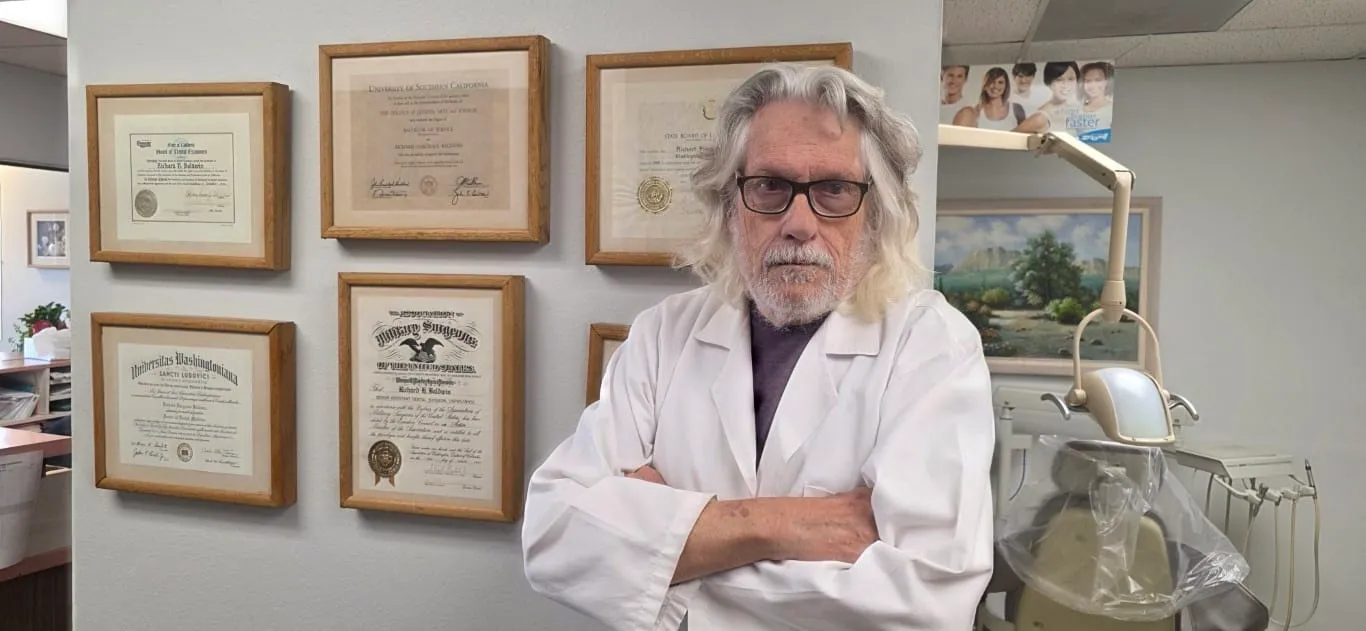
Written and clinically reviewed by Dr. Richard Baldwin, DMD General & cosmetic dentist in Huntington Beach since 1979 · Washington University School of Dental Medicine · Updated