Jump to a section
A chipped front tooth has a way of stealing the spotlight. Whether it happened biting into something unexpected, during a weekend at the beach, or from an old restoration finally giving way, most people want to know the same two things: what will fix it, and which option is right for me? For small to moderate chips on a front tooth, the conversation almost always comes down to composite bonding versus porcelain veneers.
Both can restore a natural-looking smile, but they work differently, cost differently, and last for different amounts of time. Here is a plain-language guide to help you understand the choice before you sit down for a consultation.
What Is Composite Bonding?
Composite bonding is a cosmetic procedure where a tooth-colored resin (the same family of material used for white fillings) is shaped directly onto the tooth, sculpted to match the surrounding teeth, and hardened with a curing light. When people search for information on composite bonding teeth repairs, this is what they are describing.
A few things make bonding attractive for a chipped front tooth:
- It is usually completed in a single visit.
- It typically requires little to no removal of natural tooth structure.
- It is the lower-cost entry point into cosmetic dentistry.
- Small repairs can often be polished and adjusted later without starting over.
Bonding is especially well suited to minor chips, small gaps, worn edges, and localized cosmetic touch-ups. Because the material is shaped by hand, results depend heavily on the skill and artistry of the dentist.
What Are Porcelain Veneers?
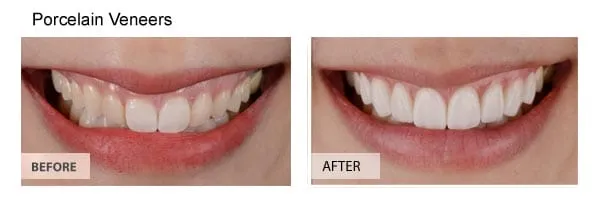
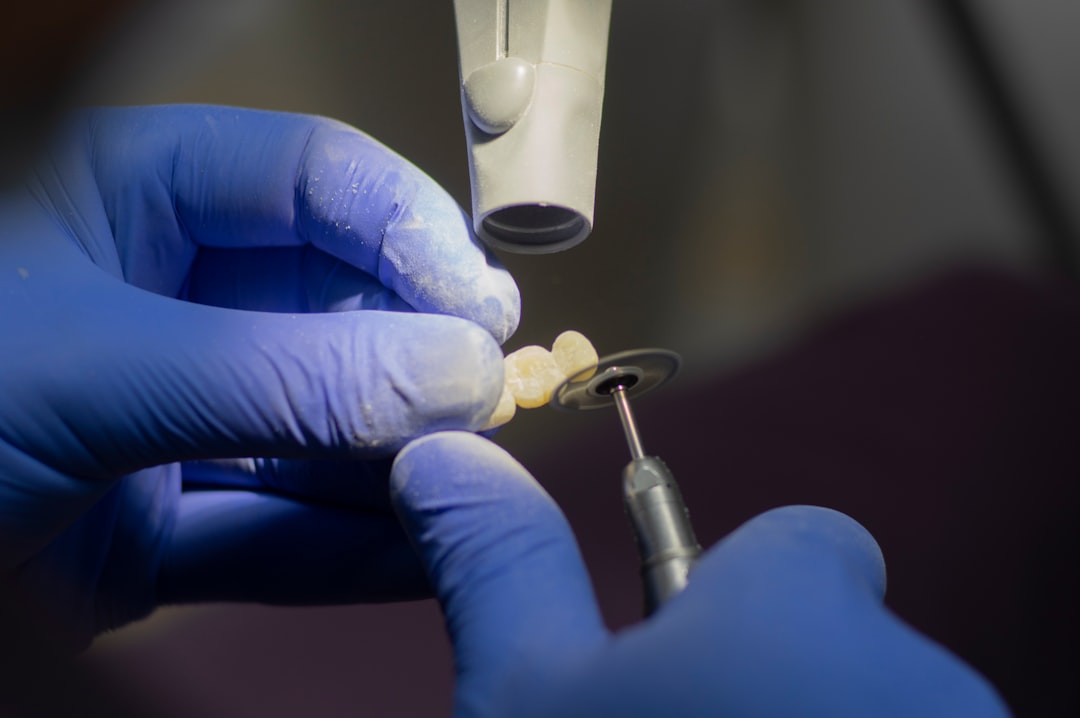
Porcelain veneers are thin, custom-made ceramic shells bonded to the front surface of a tooth. Instead of building up material on the tooth directly, the dentist prepares the tooth (usually removing a small amount of enamel), takes a digital or physical impression, and a dental lab fabricates the veneer to precise specifications. At a second visit, the veneer is cemented in place.
Porcelain has some notable advantages:
- Superior stain resistance compared with composite resin.
- A translucent, glass-like quality that mimics natural enamel.
- Long-term durability when cared for properly.
- Ideal for treating multiple teeth or a full smile makeover.
You can read more about the material, the process, and what to expect on our veneers and laminates service page, and our overview of porcelain veneers cost and benefits covers the investment side in more depth.
Side-by-Side: Bonding vs Veneers for a Chipped Front Tooth
| Factor | Composite Bonding | Porcelain Veneers |
|---|---|---|
| Visits needed | Usually one | Typically two |
| Tooth preparation | Minimal, often none | Small amount of enamel reshaped |
| Reversibility | Generally reversible | Not reversible |
| Stain resistance | Can pick up stain over time | Highly stain resistant |
| Typical lifespan | Several years, with touch-ups | Often longer with proper care |
| Best for | Small chips, minor cosmetic edits | Larger chips, multiple teeth, comprehensive smile changes |
| Relative cost | Lower | Higher |
The right column is not automatically “better.” The right answer depends on the size of the chip, the health of the tooth, your bite, your goals, and your budget. For a deeper comparison beyond a single chipped tooth, our article on dental bonding vs veneers is a helpful next read.
How to Decide Which Option Fits Your Chip
Think about the following decision criteria before your appointment. Your dentist will confirm what is realistic based on an in-person exam.
- Size and location of the chip. A tiny corner chip on one front tooth is a classic bonding case. A larger break that extends into the biting edge, or a chip on a tooth that is already discolored, may be better addressed with a veneer or even a crown.
- Condition of the surrounding teeth. If the neighboring teeth are healthy and well-matched, bonding a single spot can blend in beautifully. If you are unhappy with color, shape, or alignment across several teeth, veneers can address more at once.
- Your bite. Heavy grinding, edge-to-edge bites, or clenching can shorten the life of either restoration and may require a nightguard.
- Staining habits. Coffee, tea, red wine, and tobacco are harder on composite than on porcelain.
- Budget and timeline. Bonding is faster and less expensive up front. Veneers are a larger investment with a longer expected service life.
- Long-term plans. If you are considering whitening, do it before bonding or veneers so the new restoration can be matched to your final shade. Options like Zoom! teeth whitening are commonly scheduled first.
What the Appointment Actually Looks Like
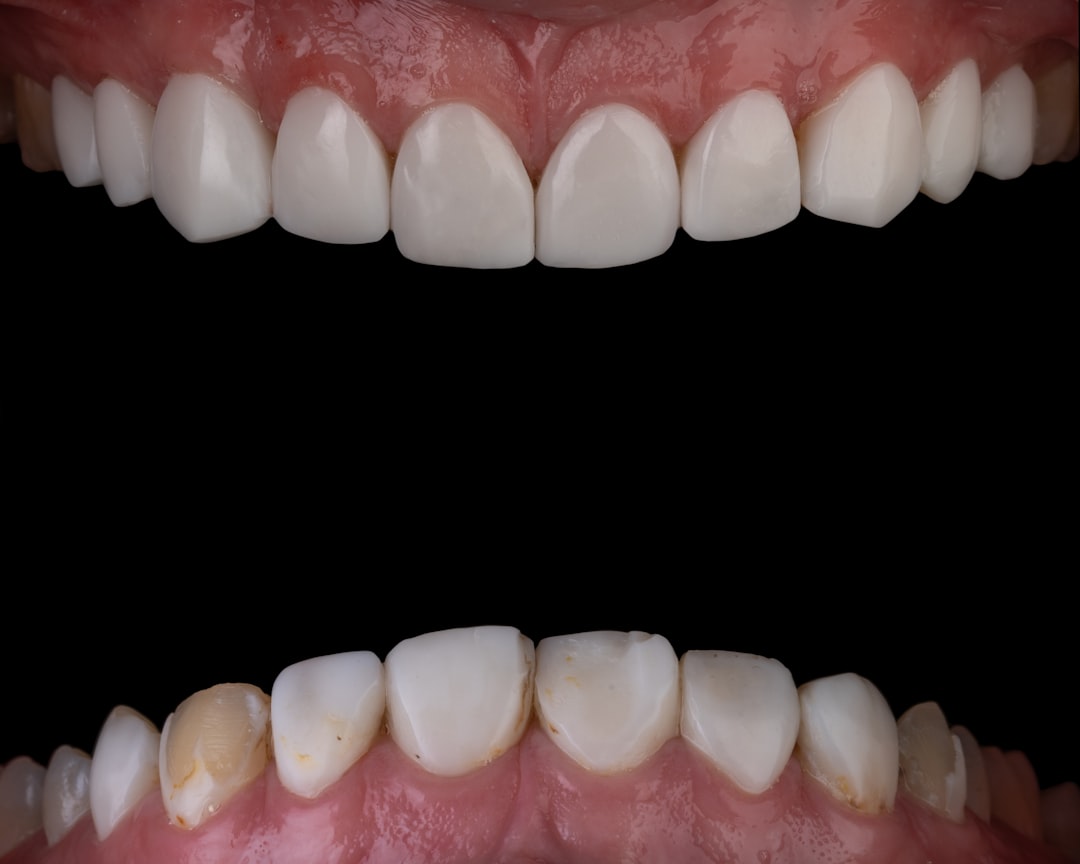
For composite bonding:
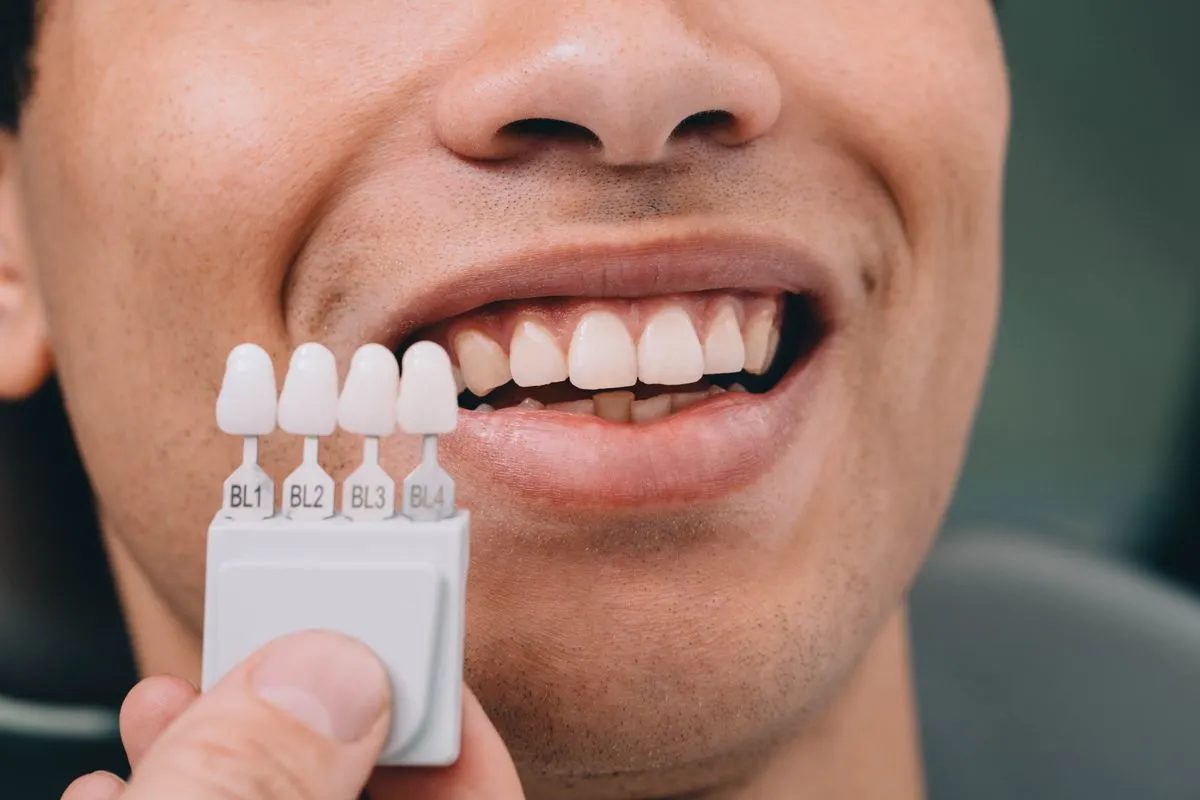
- The dentist selects a shade that matches your natural tooth.
- The surface is lightly etched so the resin can bond.
- Composite is layered, sculpted, and cured.
- The restoration is polished so it feels smooth and blends with the surrounding enamel.
Most single-tooth bonding visits are completed comfortably in one appointment, often without anesthesia when the chip is superficial.
For porcelain veneers:
- Visit one: the tooth is gently prepared, impressions or digital scans are taken, and a temporary may be placed.
- The lab crafts the veneer to the agreed shape and shade.
- Visit two: the veneer is tried in, adjusted, and bonded permanently.
Because veneers involve some enamel reshaping, they are considered a long-term commitment. That trade-off is why an honest conversation about goals matters before starting.
Caring for Your Repair Long Term
Whichever route you choose, the aftercare basics are similar and simple:
- Brush twice a day and floss daily using proper technique.
- Avoid using your front teeth as tools (opening packages, biting nails, chewing ice).
- Wear a nightguard if you grind or clench.
- Keep regular cleanings and exams so early wear can be spotted and polished.
- Be mindful of staining foods, especially in the first 48 hours after bonding.
Composite may need occasional polishing or touch-ups. Porcelain is more stain resistant but, like natural teeth, can chip under enough force. Both restorations benefit from steady, ordinary care rather than anything dramatic.
When to Call the Dentist
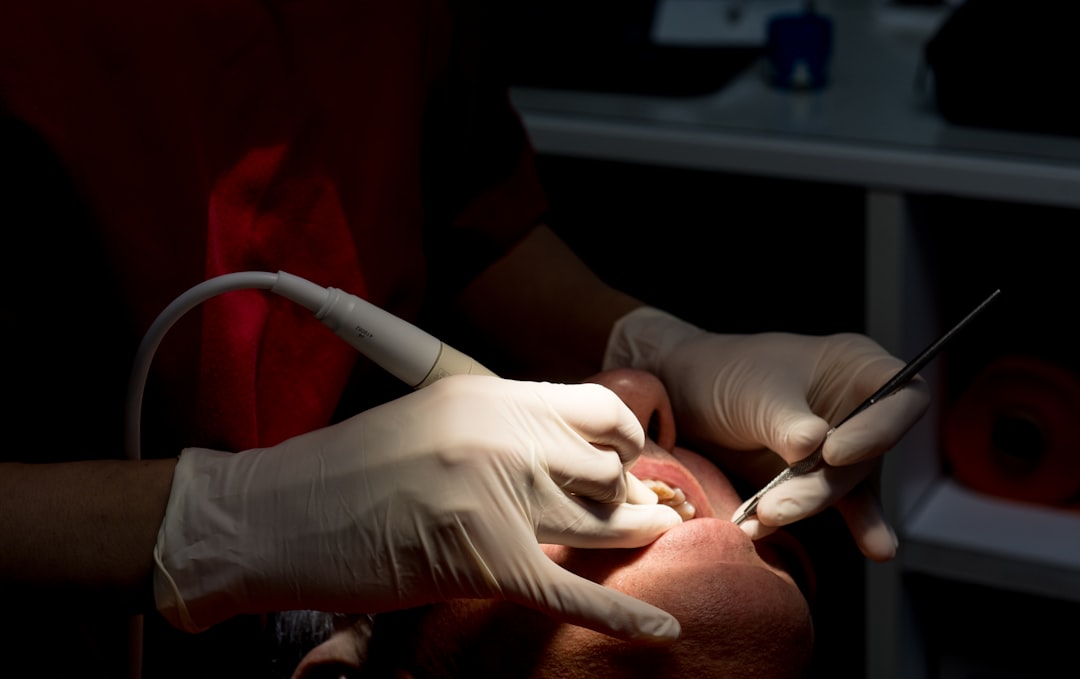
A chipped front tooth is not always an emergency, but a few situations should be seen quickly: sharp edges cutting your tongue or lip, sensitivity to hot or cold, visible pink or yellow inside the chip (a sign the inner layers are exposed), or pain when biting. Same-day appointments are often available for situations like these — reach out through our contact page and describe what happened so the team can advise on timing.
If you are also weighing dentist options in the area, our guide to finding the best dentist in Huntington Beach walks through what to look for beyond a single procedure.
The Bottom Line
For a small chip on a front tooth, composite bonding is usually the fastest, most conservative, and most affordable fix. For larger chips, multiple teeth, or a broader smile refresh, porcelain veneers offer a more durable and stain-resistant result. Neither option is universally right; the best choice depends on your tooth, your bite, and what you want your smile to look like a decade from now. A cosmetic consultation is the clearest way to see which path fits — bring photos of smiles you like, and be candid about your budget and timeline. From there, the decision usually gets a lot simpler.
Photos by Navy Medicine, Elena Mozhvilo, Kamal Hoseinianzade, Roby Allario on Unsplash.
Frequently asked questions
Is composite bonding good for a chipped front tooth?
Yes, composite bonding is one of the most common and conservative fixes for a small to moderate chip on a front tooth. It is typically completed in one visit, requires little to no removal of natural tooth structure, and can be shaped to blend with surrounding teeth. Larger chips or breaks may be better served by a veneer or crown.
How long does composite bonding last compared to porcelain veneers?
Composite bonding generally lasts several years and may need occasional polishing or touch-ups, while porcelain veneers often last considerably longer with proper care. Actual lifespan depends on your bite, habits like grinding, staining foods, and home care.
Does getting bonding or veneers hurt?
Most single-tooth bonding visits are comfortable and often do not require anesthesia when the chip is shallow. Veneers involve gentle reshaping of enamel, so local anesthesia is sometimes used. Your dentist will discuss comfort options based on your specific situation.
Can I whiten my teeth after bonding or veneers?
Whitening gel does not change the color of composite or porcelain, so any brightening happens only on natural enamel. For that reason, whitening is usually done before bonding or veneers so the new restoration can be matched to your final shade.
Is bonding reversible if I change my mind later?
Bonding is generally considered reversible because little or no enamel is removed, so it can often be redone or replaced with another option in the future. Porcelain veneers involve removing a thin layer of enamel and are not reversible, which is why the decision deserves careful discussion.
How do I know if my chipped tooth is an emergency?
Call the dentist promptly if you have sharp edges cutting your tongue or lip, sensitivity to hot or cold, visible pink or yellow inside the chip, or pain when biting. Same-day emergency appointments are often available for situations like these.
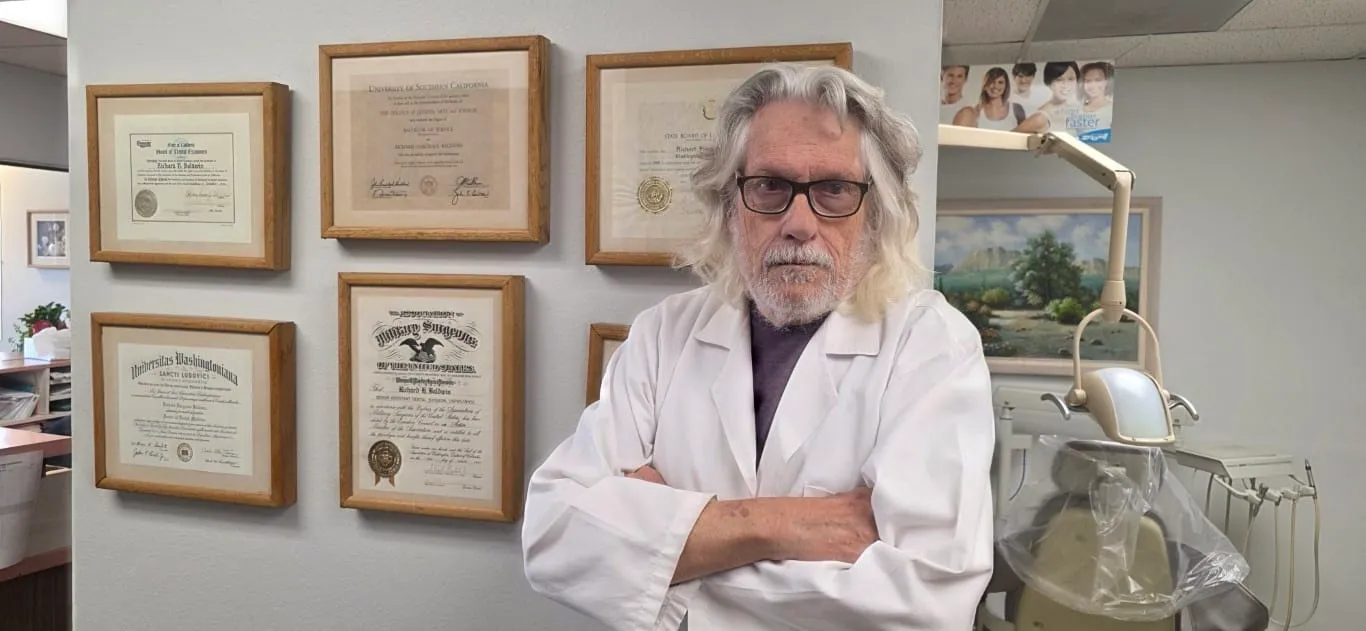
Written and clinically reviewed by Dr. Richard Baldwin, DMD General & cosmetic dentist in Huntington Beach since 1979 · Washington University School of Dental Medicine · Updated
Sources & further reading
- Veneers — American Dental Association · MouthHealthy
- Whitening: what patients should know — American Dental Association
This guide is general dental information from a practicing dentist, not a diagnosis. Treatment recommendations and costs are confirmed at an in-person exam.