Jump to a section
Veneers are one of the larger investments in cosmetic dentistry — $900–$2,500 per tooth for porcelain in Huntington Beach — so “how long do veneers last?” is a fair question to ask before you commit. The answer depends on the material, on how they were placed, and on a few daily habits that matter more than people expect.
I am Dr. Richard Baldwin, DMD, and I have placed and, decades later, replaced veneers for Huntington Beach patients since 1979. Here is what I have seen actually determines their lifespan.
Porcelain Veneers: 10–15 Years, Often 20+
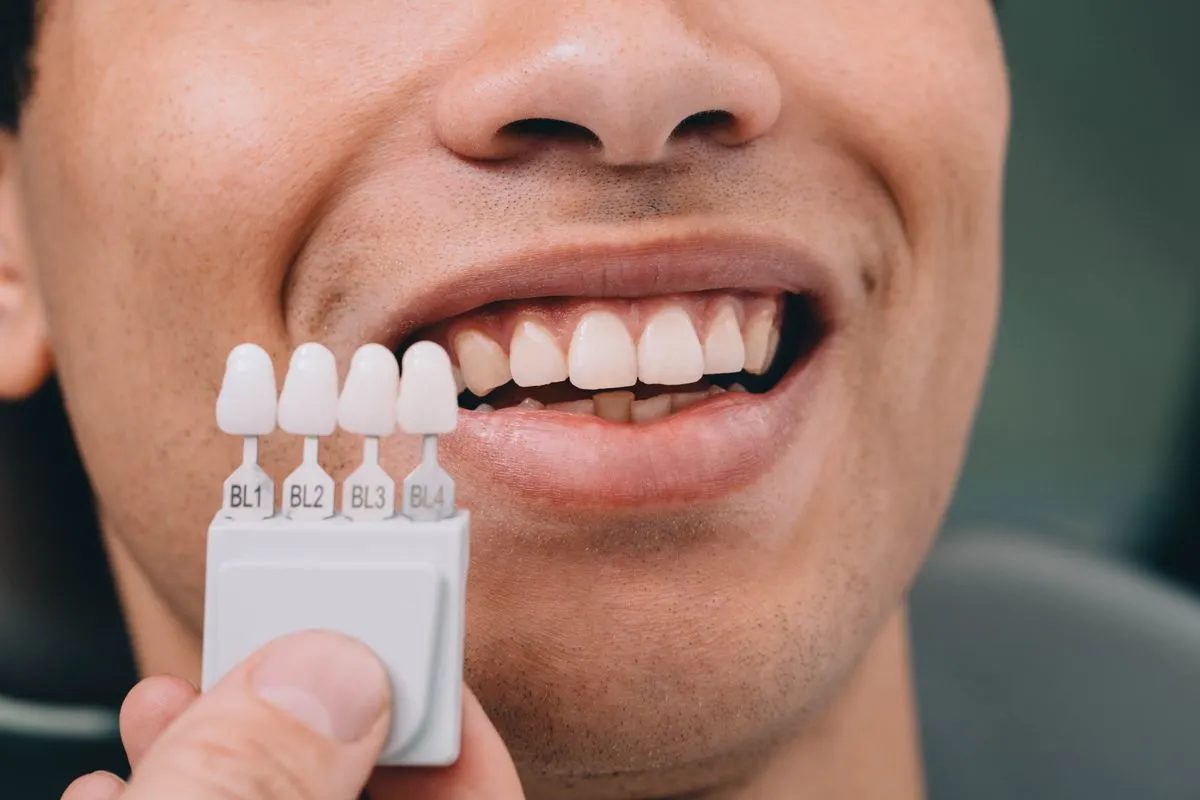
Porcelain is a glass-ceramic. It does not stain, it resists wear about as well as enamel, and once bonded to enamel it becomes remarkably strong. Published long-term studies report porcelain veneer survival rates above 90% at ten years, and it is routine for me to see veneers I placed 15 or 20 years ago still looking good.
When porcelain veneers do fail, it is almost never because the porcelain “wore out.” The usual causes:
- Chipping or fracture from grinding, clenching or biting something hard.
- Debonding — the veneer coming off intact — usually because it was bonded to dentin rather than enamel, or the bond was contaminated during placement.
- Decay at the margin, the thin edge near the gum where plaque collects.
- Gum recession exposing a line of darker tooth or old cement above the veneer, which is cosmetic rather than structural but often prompts replacement.
Lumineers and other ultra-thin no-prep veneers use the same porcelain and last a similar time; the trade-off is a slightly bulkier look on some teeth. Our Lumineers by Cerinate page covers the differences.
Composite Veneers: 3–7 Years
Composite veneers are sculpted directly onto the tooth from the same resin used for tooth-colored fillings. They cost less ($300–$800 per tooth), need little or no tooth reduction, and can be done in one visit. But composite is a plastic-based material: it absorbs stain from coffee, tea and red wine, its surface dulls, and its edges wear. Most patients want them redone or replaced within three to seven years.
The saving grace of composite is repairability. A chipped corner can be patched in the chair in fifteen minutes, and a dulled surface can be re-polished. For a single chipped front tooth, composite bonding is often the sensible first step — see our bonding vs veneers comparison.
What Shortens a Veneer’s Life
1. Grinding without a night guard. This is the leading cause of chipped porcelain I see. If you grind or clench, a custom night guard is not optional; it is part of the veneer plan.
2. Using teeth as tools. Tearing tape, opening packages, biting nails, chewing ice and pens. Porcelain handles chewing forces well and sudden point loads badly.
3. Skipping cleanings. Decay at the margin is silent until the veneer has to come off. Six-month cleanings let the hygienist check every edge.
4. Bonding to dentin. Veneers bonded mostly to enamel last far longer than veneers on teeth that were over-prepared into dentin. Conservative preparation at the outset is the single biggest thing the dentist controls.
5. Abrasive whitening toothpastes and hard brushes, which dull the glaze over years. A soft brush and a non-abrasive fluoride toothpaste are all you need.
How to Make Veneers Last Longer
- Brush twice daily with a soft brush; floss daily, curving the floss under the gum at each veneer edge.
- Wear your night guard every night if you grind. Bring it to check-ups.
- Keep six-month cleanings. Ask the hygienist to use non-abrasive polish on veneered teeth.
- Do not whiten with over-the-counter strips expecting veneers to change; porcelain does not whiten, so whitening the natural teeth around them creates a mismatch. Whiten before veneers are made so they can be matched to your final shade.
- Limit staining drinks if you have composite veneers, or drink them through a straw.
What Replacement Involves
Replacing a porcelain veneer means removing the old one (carefully, with a fine bur and often a laser), cleaning the tooth, taking a new scan, and bonding a new veneer two weeks later. Because the enamel was already shaped for the first veneer, replacement normally does not remove more tooth structure. The fee is the same as a new veneer — $900–$2,500 per tooth — and if a single veneer fails in a set, I match the new one to its neighbors.
Our porcelain veneers page covers the process from consultation to bonding, and the veneer cost per tooth guide breaks down pricing tiers.
The Bottom Line
Porcelain veneers last 10–15 years and frequently 20 or more; composite veneers last 3–7. The difference between a veneer that lasts eight years and one that lasts twenty is mostly a night guard, floss, and conservative preparation. If you are considering veneers in Huntington Beach or have older veneers you are unsure about, call (714) 536-2571 or book a consultation — I will check the margins and the bite and tell you honestly how they are holding up.
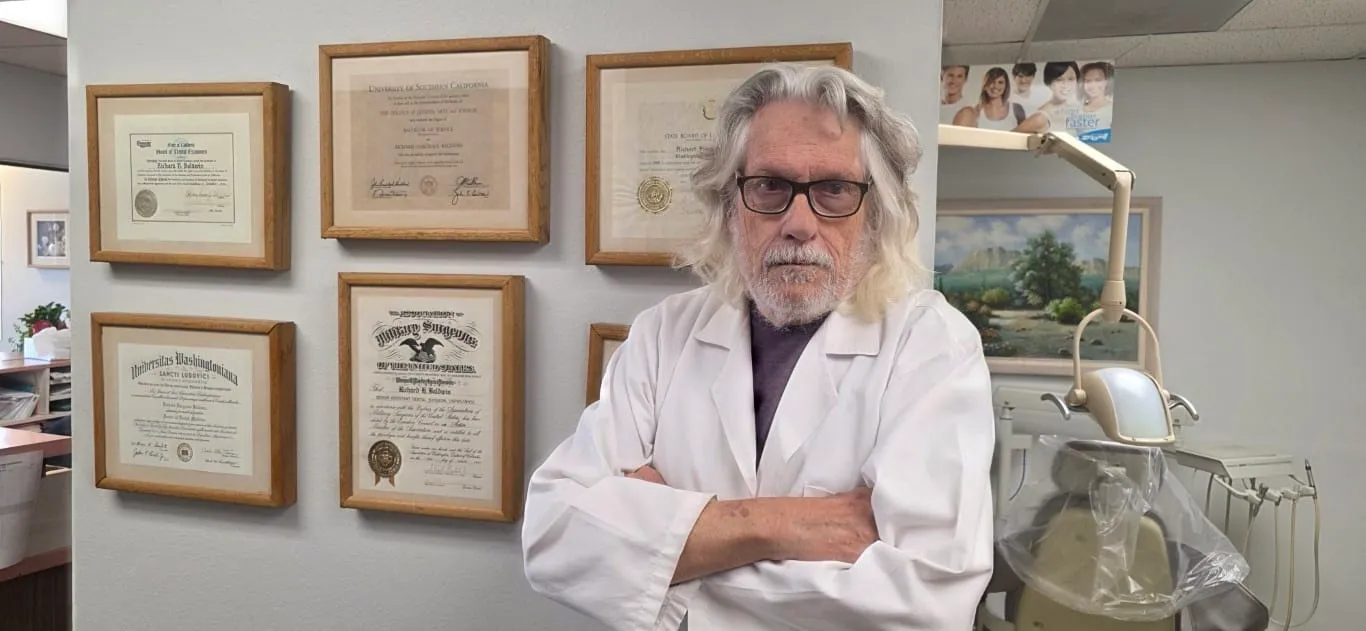
Written and clinically reviewed by Dr. Richard Baldwin, DMD General & cosmetic dentist in Huntington Beach since 1979 · Washington University School of Dental Medicine · Updated
Sources & further reading
- Veneers — American Dental Association · MouthHealthy
- Whitening: what patients should know — American Dental Association
This guide is general dental information from a practicing dentist, not a diagnosis. Treatment recommendations and costs are confirmed at an in-person exam.