Jump to a section
Most tooth extractions heal quietly. A small number do not, and the complication patients worry about most — with good reason — is dry socket. If you have had a tooth pulled in the last week and the pain is suddenly getting worse instead of better, this guide is for you.
I am Dr. Richard Baldwin, DMD, and I have been performing tooth extractions in Huntington Beach since 1979. Below I explain what dry socket actually is, how to recognize it, how we treat it, and the handful of habits that prevent most cases.
What Is Dry Socket?
When a tooth is removed, a blood clot forms in the empty socket within a few minutes. That clot is not a problem to be cleaned away — it is the scaffold your body uses to grow new gum and bone. Dry socket (the clinical term is alveolar osteitis) is what happens when that clot dislodges or dissolves too early, usually within the first five days, leaving the bone and nerve endings in the socket exposed to air, food and saliva.
Exposed bone hurts. That is the whole story of dry socket: it is painful, it delays healing by a week or two, but it is not an infection and it does not cause long-term damage when treated.
Dry Socket Symptoms: How to Tell It Apart From Normal Healing
Normal extraction pain peaks in the first 24–48 hours and then steadily fades. Dry socket does the opposite. Watch for:
- Pain that returns or worsens on day 3, 4 or 5 after feeling better. This reversal is the single most reliable sign.
- Throbbing pain that radiates to your ear, temple, eye or neck on the same side.
- A visible empty socket. If you look in the mirror and see whitish bone rather than a dark red clot, the clot is gone.
- A bad taste or bad breath that rinsing does not fix.
- Pain that over-the-counter ibuprofen barely touches.
You will usually not have a fever, swelling or pus — those point to infection, which is treated differently. Either way, the right move is the same: call the office.
Why Dry Socket Happens
The clot comes out because of suction, pressure, chemistry or bad luck. The known risk factors:
- Smoking or vaping. Nicotine constricts blood vessels and the sucking motion pulls on the clot. Smokers have several times the dry socket rate of non-smokers.
- Drinking through a straw or spitting forcefully in the first 48 hours.
- Lower wisdom teeth. The bone is denser and the extraction is more involved, so the rate is highest there — one reason wisdom tooth extractions come with such detailed aftercare.
- Oral contraceptives and higher estrogen levels, which affect how quickly clots break down.
- A previous dry socket. If you have had one, tell us before your next extraction so we can take extra precautions.
- Poor oral hygiene or an existing infection around the tooth.
Contrary to a common belief, eating a normal soft meal does not cause dry socket. Starving yourself does not help healing.
How We Treat Dry Socket in Huntington Beach
Treatment is quick and brings fast relief. At HB Dentist:
- I gently irrigate the socket with saline to flush out food debris.
- I place a medicated dressing — a small strip of gauze or paste containing eugenol (clove oil) — into the socket. This soothes the exposed bone almost immediately.
- You go home with instructions and, if needed, a prescription-strength anti-inflammatory. Antibiotics are only added if there are signs of infection.
- The dressing is changed every two to three days until the socket is comfortable, usually one to three visits.
Most patients tell me the pain dropped from an 8 to a 2 before they left the parking lot. Same-day appointments for extraction complications are available during office hours (Mon–Thu 9–6, Fri 9–1); call (714) 536-2571 first and we will fit you in.
Five Habits That Prevent Dry Socket
- Keep gentle pressure on the gauze for the first 30–60 minutes, then leave the site alone. Do not poke it with your tongue or a toothbrush.
- No smoking or vaping for 72 hours — longer if you can. This is the biggest single factor you control.
- No straws, no spitting, no vigorous swishing for 48 hours. After day one, rinse gently with warm salt water by tilting your head rather than swishing.
- Eat soft, cool foods for three days — yogurt, eggs, mashed potatoes, smoothies eaten with a spoon. Skip crunchy, seedy and very hot foods.
- Sleep with your head slightly elevated the first night and avoid heavy exercise for 48 hours; both keep blood pressure at the site steady.
Our tooth extraction recovery guide has the full day-by-day timeline and a list of what to eat.
When to Call Right Away
Call the office the same day if pain worsens after day two, if you see exposed bone, or if you have a bad taste that will not clear. Go to urgent care or the ER if you have facial swelling that affects swallowing or breathing, a fever over 101°F, or bleeding that will not stop with pressure after 30 minutes — those are not dry socket and need medical attention.
The Bottom Line
Dry socket is uncomfortable, common after wisdom tooth extractions, easy to recognize (pain that gets worse on day 3–5), and easy to treat with a medicated dressing. If you are healing from an extraction in Huntington Beach and something does not feel right, call (714) 536-2571 — checking a socket takes five minutes, and treating it early saves you days of pain.
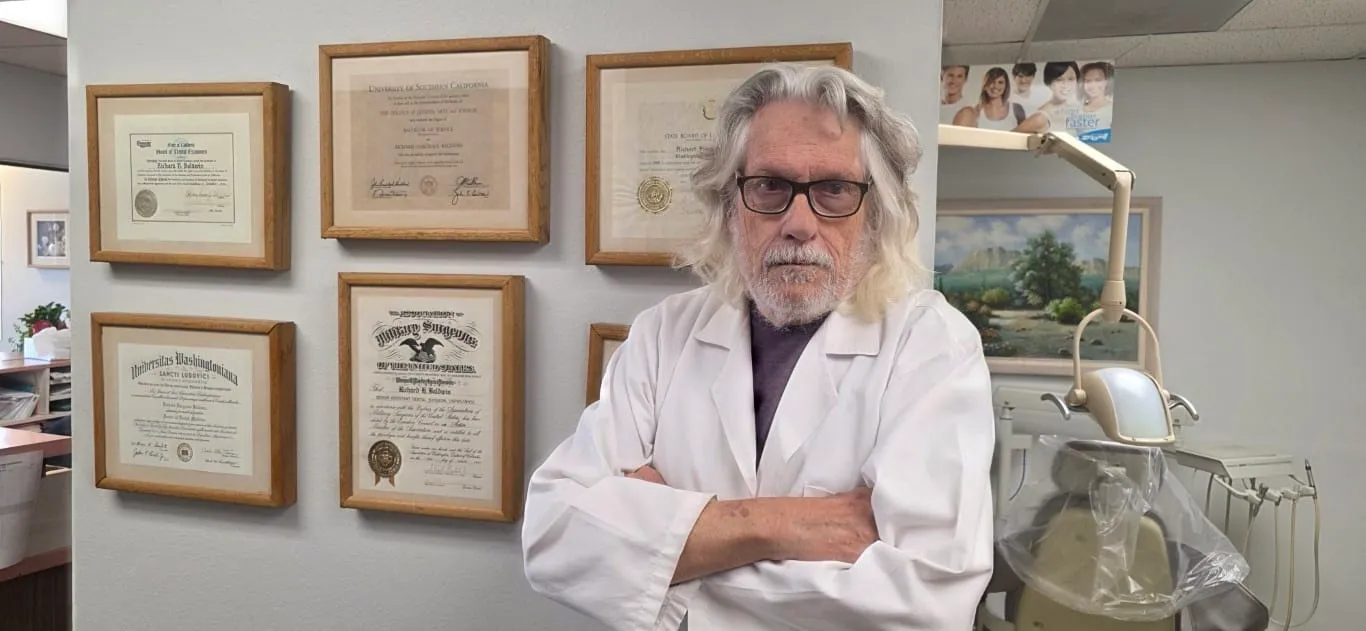
Written and clinically reviewed by Dr. Richard Baldwin, DMD General & cosmetic dentist in Huntington Beach since 1979 · Washington University School of Dental Medicine · Updated
Sources & further reading
- Extractions — American Dental Association · MouthHealthy
- Wisdom teeth — American Dental Association · MouthHealthy
- Dry socket — American Dental Association · MouthHealthy
This guide is general dental information from a practicing dentist, not a diagnosis. Treatment recommendations and costs are confirmed at an in-person exam.