Jump to a section
- What’s in a Typical Baking Soda Recipe for Teeth Whitening?
- Does Baking Soda Actually Whiten Teeth? What the Science Says
- The Risks of DIY Baking Soda Whitening
- A Safer Baking Soda Recipe for Teeth Whitening (If You Still Want to Try)
- When Baking Soda Falls Short — Professional Whitening Alternatives
- Frequently Asked Questions
- The Bottom Line
Search for a baking soda recipe for teeth whitening and you’ll find dozens of variations — mixed with lemon juice, hydrogen peroxide, strawberries, activated charcoal, coconut oil. TikTok makes it look effortless. The reality is more complicated. I’m Dr. Richard Baldwin, and after decades of practicing dentistry in Huntington Beach, I’ve seen what happens when patients rely on DIY whitening for months at a time. Some fare fine. Others show up with stripped enamel and cold-sensitive front teeth that never fully recover.
This guide walks through what actually happens when you brush with baking soda, when a homemade recipe is reasonable, and when it’s costing you more than it saves.
What’s in a Typical Baking Soda Recipe for Teeth Whitening?
Almost every recipe circulating online combines one or more of these ingredients:
- Baking soda (sodium bicarbonate) — a mild alkaline abrasive
- Hydrogen peroxide (usually 3%) — the same active ingredient in professional whitening gel, at a much weaker concentration
- Water or coconut oil — to bind the paste
- Lemon juice, apple cider vinegar, or crushed strawberries — added for “natural” acidity
The most-repeated version is one teaspoon of baking soda mixed with a few drops of 3% hydrogen peroxide, applied with a soft toothbrush for one minute, then rinsed. Some blogs recommend twice-daily use. Almost none warn you what that does to enamel over the course of a year.
Does Baking Soda Actually Whiten Teeth? What the Science Says
Baking soda does two things worth mentioning, and they are not the same thing.
It removes surface stains. Because it’s mildly abrasive, baking soda physically scrubs away extrinsic stains from coffee, tea, red wine, and tobacco. This is why the American Dental Association has awarded its Seal of Acceptance to several sodium bicarbonate toothpastes. Used correctly, it’s safe and effective as a cleaner.
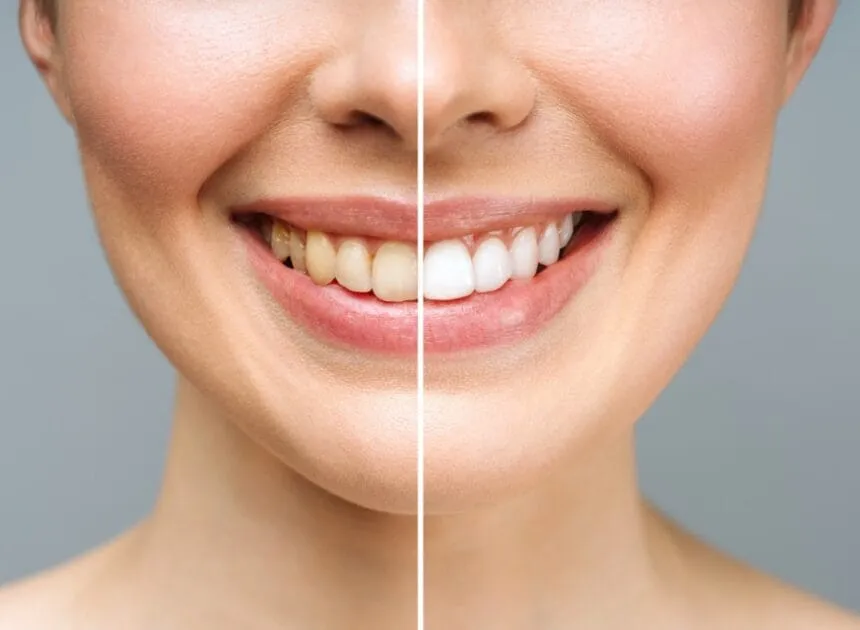
It doesn’t bleach. True whitening — the kind that lightens the color of your enamel and dentin — requires oxidizing agents like hydrogen peroxide or carbamide peroxide penetrating below the tooth surface. Baking soda alone cannot do this. That’s why patients who use it for weeks often report brighter teeth for the first few days, then a plateau. What they’re seeing is stain removal, not true whitening.
Add 3% hydrogen peroxide and you get a small bleaching effect. But with a rinse-off contact time of a minute or two, it’s a tiny fraction of what a professional treatment delivers.
The Risks of DIY Baking Soda Whitening
Here’s what I see in the chair when patients have leaned on baking soda paste for months.
1. Enamel abrasion
Baking soda has a Relative Dentin Abrasivity (RDA) around 7 on its own — very low. But most homemade recipes add lemon juice or vinegar, dropping the pH below 4. Acidic plus abrasive is the worst combination for enamel: the acid softens the surface, then the brush scrubs it away. Once enamel is gone, it doesn’t grow back.
If you’re already dealing with wear, our guide to enamel erosion and everyday acid exposure explains what’s happening at the microscopic level and how to protect what’s left.
2. Gum irritation and recession
The grittier the paste and the harder you brush, the more you push the gum line back. Repeated over months, that’s how patients end up with visible root exposure — which is not only cosmetically worse but causes real cold sensitivity that lingers.
3. Yellower teeth, not whiter
As enamel thins, the yellow dentin underneath becomes more visible. Patients who whiten aggressively with DIY methods often report their teeth look yellower a year later. The paste worked exactly as advertised — and made the underlying color problem worse.
4. Damaged restorations
Baking soda pastes don’t distinguish between enamel, composite fillings, crowns, and veneers. Abrasive brushing can dull and micro-scratch dental work you’ve paid thousands of dollars for. If you have any restorations, DIY whitening is a bad bet.
A Safer Baking Soda Recipe for Teeth Whitening (If You Still Want to Try)
If you’re determined to use baking soda anyway, use the mildest version with the shortest contact time:
- One-quarter teaspoon baking soda mixed with one teaspoon of water — no lemon, no vinegar, no strawberries.
- Apply with a soft-bristle toothbrush using gentle, circular motions. Don’t scrub.
- Limit contact time to 30 seconds. Rinse thoroughly.
- Use no more than once per week. Not once per day.
- Follow with a fluoride toothpaste to help re-mineralize the surface.
- Stop immediately if you notice sensitivity, gum bleeding, or a chalky feeling on your teeth.
This won’t dramatically whiten your teeth. But it will remove surface stains without shredding your enamel — which is the honest best-case outcome of any baking soda recipe.
If you’re already prone to zings when you drink cold water, read our guide on whether teeth whitening is safe for sensitive enamel before you try anything abrasive.
When Baking Soda Falls Short — Professional Whitening Alternatives
Most patients who come to us frustrated with DIY results are chasing a specific outcome: teeth several shades whiter for a wedding, a graduation, a headshot, a first date. Baking soda won’t get them there. Two things will.
Custom take-home whitening trays
We take a digital impression, fabricate trays that fit your teeth precisely, and dispense professional-grade whitening gel. You wear the trays 30 to 60 minutes per day for one to two weeks. Results typically last a year or more with occasional touch-ups. This is our most-recommended option for patients who want gradual, controllable results at home — the outcome baking soda is often marketed to deliver but never actually does.
Zoom! in-office whitening
For faster, more dramatic results, Zoom! professional whitening brightens teeth up to eight shades in a single 60- to 90-minute visit. This is our top pick for patients with a firm date in mind. For a full price breakdown, our Zoom whitening cost guide walks through what to expect at each tier.
Either professional path is safer than daily baking soda paste — and delivers the results DIY recipes only hint at. Learn more about our professional teeth whitening options in Huntington Beach or book a whitening consultation to see what fits your smile.
Frequently Asked Questions
Is a baking soda recipe for teeth whitening safe to use every day? No. Even the mildest recipes should be limited to once a week. Daily use — especially with acidic ingredients like lemon juice or vinegar — accelerates enamel wear and can cause permanent sensitivity.
Can I mix baking soda and hydrogen peroxide safely? Occasionally, yes. A small amount of baking soda with 3% hydrogen peroxide, used once a week for 30 seconds, is unlikely to harm healthy teeth. Don’t use higher-concentration peroxide from beauty supply stores, and skip the recipe entirely if you have restorations, sensitivity, or gum disease.
How long does it take to see results from baking soda whitening? You may notice surface stain removal within a week. True color change won’t happen — baking soda is not a bleaching agent. If your teeth still look yellow after two weeks, the discoloration is intrinsic and requires professional whitening.
Does baking soda damage veneers or crowns? Yes. Abrasive pastes dull the polished finish on porcelain and composite restorations. Once that finish is scratched, stains adhere more easily and the restoration looks duller. Patients with veneers should use a non-abrasive, restoration-safe toothpaste only.
Will lemon juice or apple cider vinegar make baking soda whitening more effective? It makes the paste more acidic, which temporarily brightens teeth by dehydrating the enamel — but the whitening effect is cosmetic and short-lived, and the acid causes irreversible erosion. There is no upside to adding acid to a whitening recipe.
Should I just come in for professional whitening instead? If you’re serious about a whiter smile — especially for a specific event — a professional consultation will save you months of experimenting. We’ll assess your enamel, identify what’s actually causing the discoloration, and recommend the treatment that gets you the result you want.
The Bottom Line
A baking soda recipe for teeth whitening can gently remove surface stains if you use the mildest version, sparingly, and stop the moment your teeth feel sensitive. It cannot bleach your teeth, it cannot compete with professional whitening, and the internet’s most popular recipes — the ones with lemon juice, vinegar, or twice-daily use — will cost your enamel far more than they save you in cosmetic dentistry bills.
If you’ve been experimenting with DIY whitening and aren’t happy with the results, we’d be glad to take a look. Call HB Dentist at (714) 536-2571 or request a whitening consultation online.
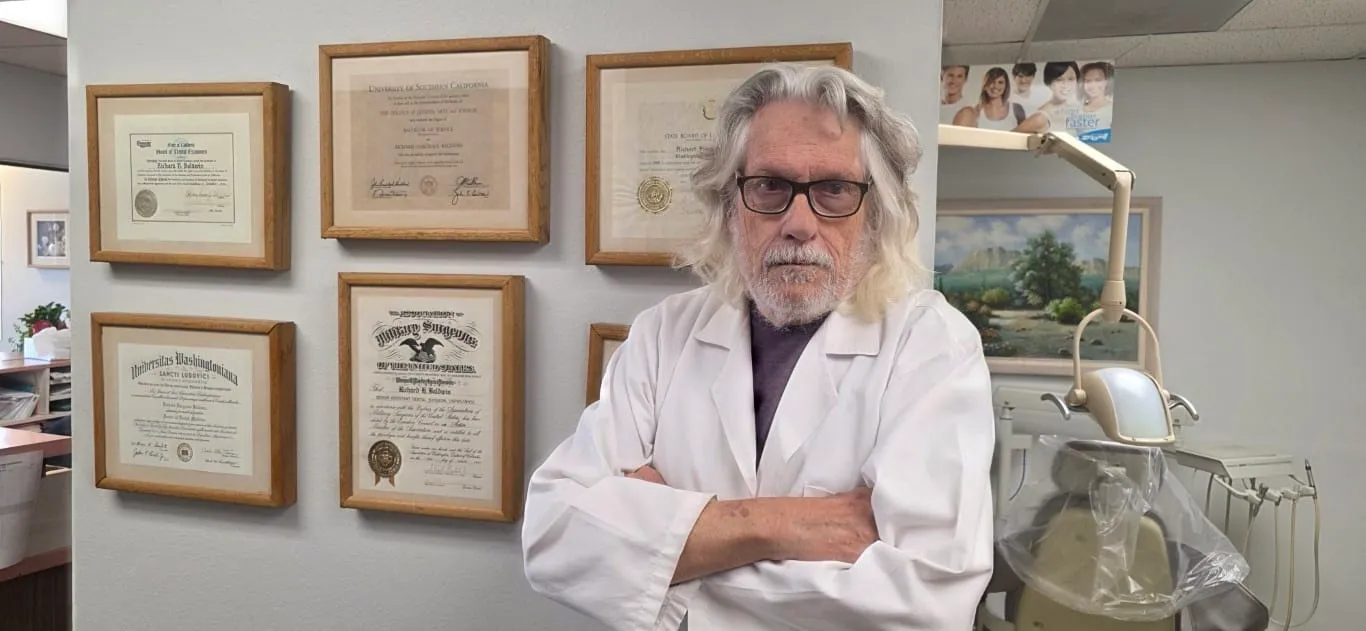
Written and clinically reviewed by Dr. Richard Baldwin, DMD General & cosmetic dentist in Huntington Beach since 1979 · Washington University School of Dental Medicine · Updated
Sources & further reading
- Whitening: what patients should know — American Dental Association
- Sensitive teeth — American Dental Association · MouthHealthy
This guide is general dental information from a practicing dentist, not a diagnosis. Treatment recommendations and costs are confirmed at an in-person exam.